About Trips
Best Time to Visit Bhutan
Spring – March to May
Spring is one of the best times to explore Bhutan. Temperatures are generally pleasant, valleys become greener, and flowers begin to bloom.
Summer – June to August
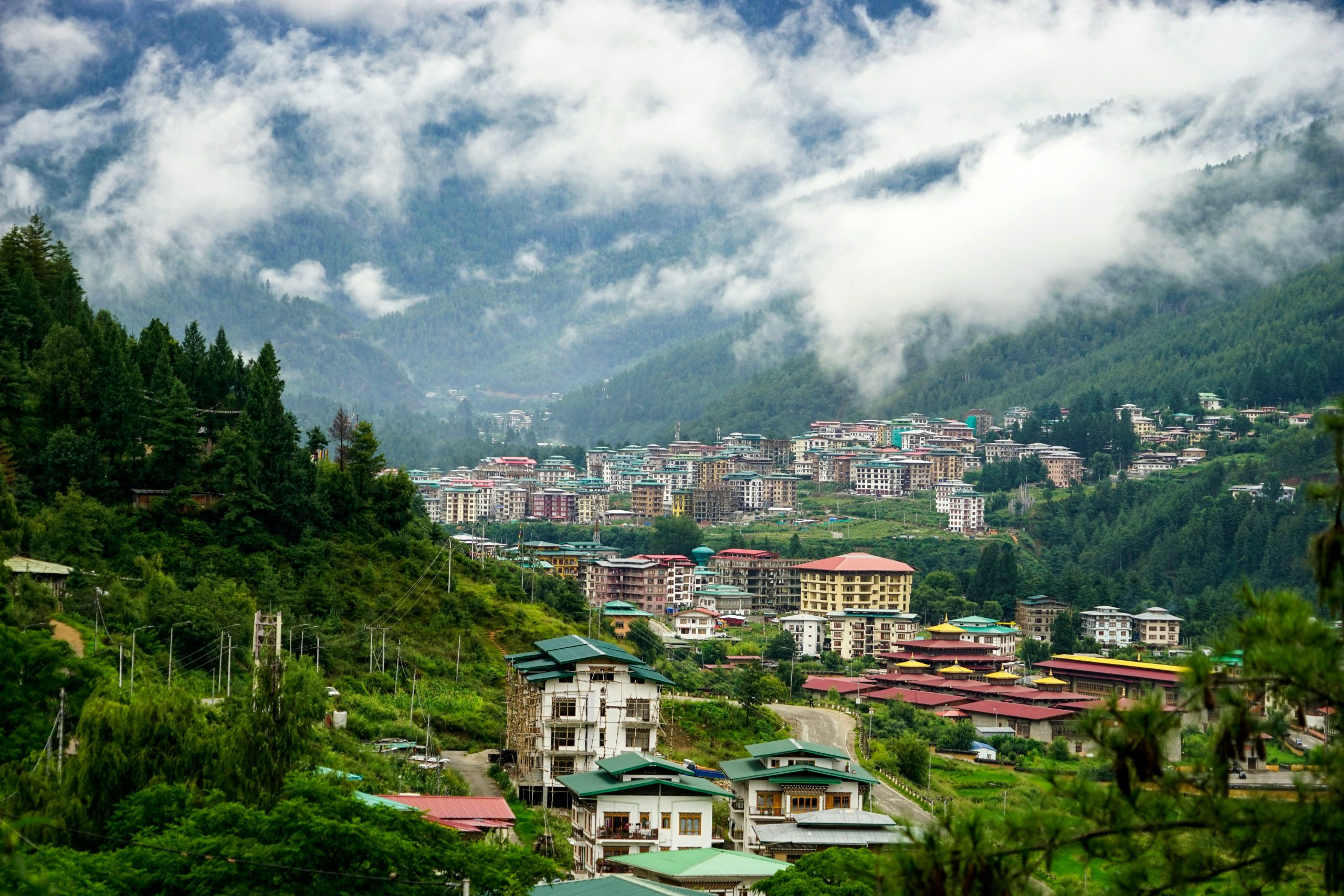
The summer monsoon brings rainfall, particularly in southern and central areas. The countryside becomes lush and green, although rain can affect road journeys and mountain visibility.
Autumn – September to November
Autumn is an excellent season for Bhutan tours, with clearer skies, comfortable temperatures, and good opportunities for Himalayan views.
Winter – December to February
Winter brings colder mornings and evenings, especially at higher elevations, but the lower valleys can still be enjoyable for sightseeing with fewer visitors.
Difficulty and Physical Requirements
The Bhutan Tour is suitable for most travelers with a basic level of fitness.
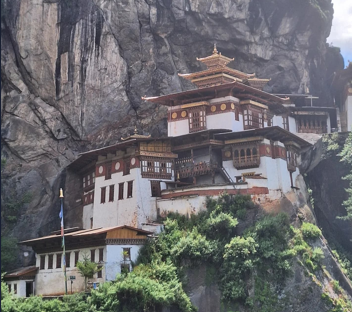
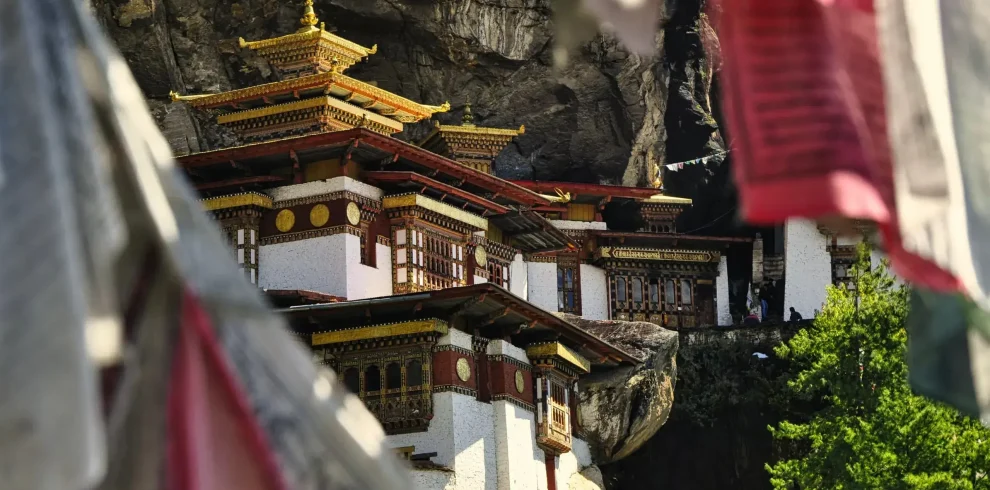
Most of the itinerary involves sightseeing and comfortable private transportation. The main physical activity is the Tiger’s Nest hike, which generally takes around 4–5 hours round trip and includes uphill sections and numerous steps.
Comfortable walking shoes, regular hydration, and a steady pace are recommended. Travelers who have concerns about hiking at approximately 3,120 meters should consult a medical professional before traveling.
Accommodation
Accommodation is provided in comfortable, government-approved hotels, generally equivalent to 3-star or above.
Hotels are selected for cleanliness, comfort, location, and service. Rooms generally include private bathrooms and essential modern facilities.
Accommodation standards can vary between destinations, particularly outside the main towns.
Transportation
Private transportation is provided throughout the Bhutan itinerary.
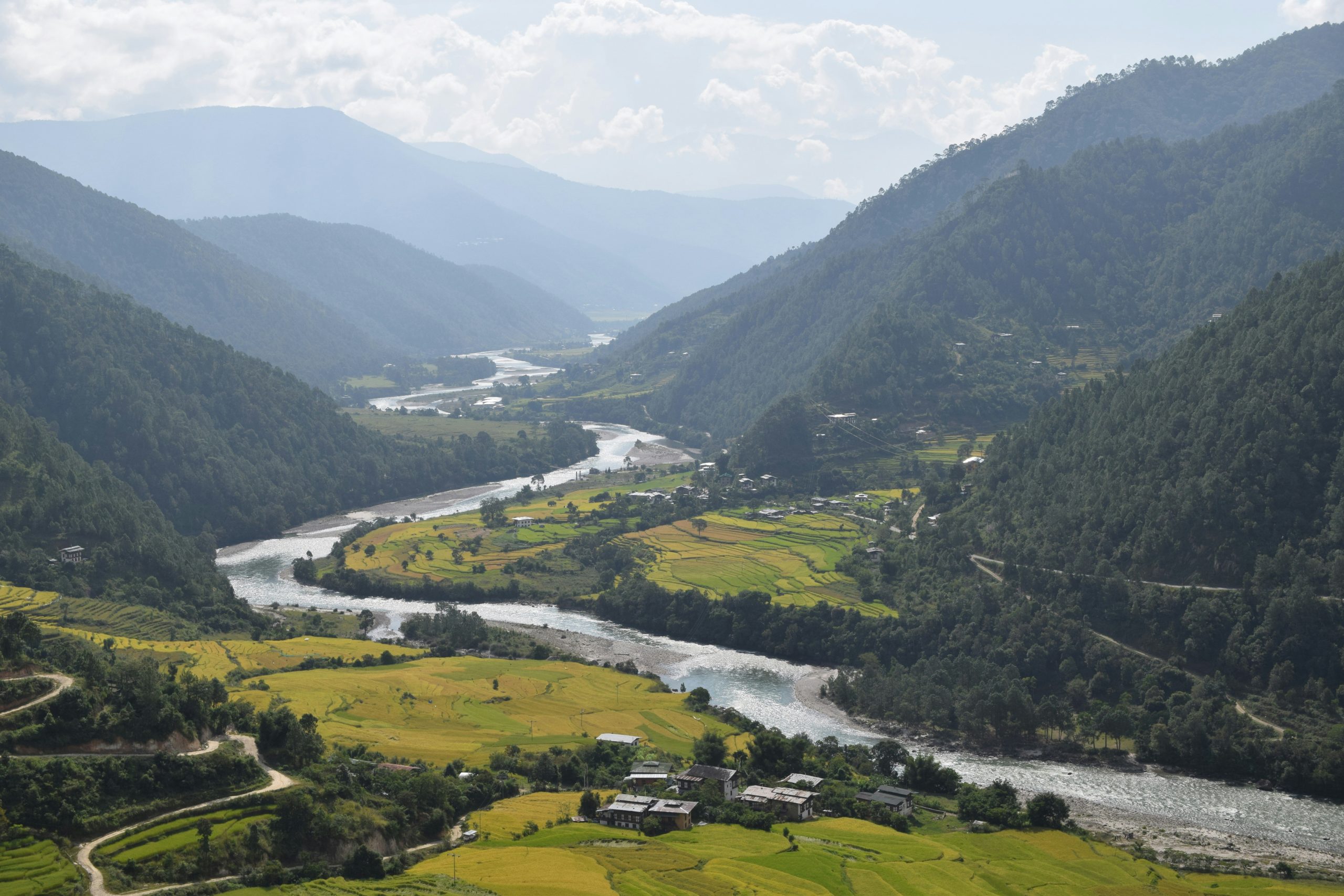
The journey between Paro, Thimphu, Punakha, and other destinations follows winding Himalayan roads through forests, valleys, villages, and mountain passes.
The vehicle used depends on group size and may include a private car, SUV, or minibus.
Meals
Breakfast, lunch, and dinner are included according to the original package.
Travelers can experience traditional Bhutanese cuisine, including Ema Datshi, rice dishes, vegetables, soups, and other local specialties. Vegetarian and other dietary preferences can generally be arranged with advance notice.
Visa and Entry Requirements
Bhutan has specific entry requirements for international visitors.
Visa and Sustainable Development Fee arrangements should be confirmed before booking because requirements and government policies can change.
Travelers should have a passport with sufficient validity and provide the documents required for visa processing.
Tibet Tours Nepal should verify the latest Bhutan entry rules, visa requirements, and Sustainable Development Fee before confirming each booking.
Packing List
Clothing
- Comfortable walking trousers.
- T-shirts and long-sleeved shirts.
- Warm fleece or jacket.
- Waterproof jacket.
- Comfortable walking shoes.
- Warm socks.
- Hat and sunglasses.
- Scarf or shawl for visiting religious sites.
For Tiger’s Nest
- Small daypack.
- Reusable water bottle.
- Trekking poles if preferred.
- Sunscreen and lip balm.
- Personal medication.
- Light snacks.
Electronics
- Phone or camera.
- Power bank.
- Universal travel adapter.
- Extra batteries or charging cables.
Book Your 5-Day Bhutan Tour
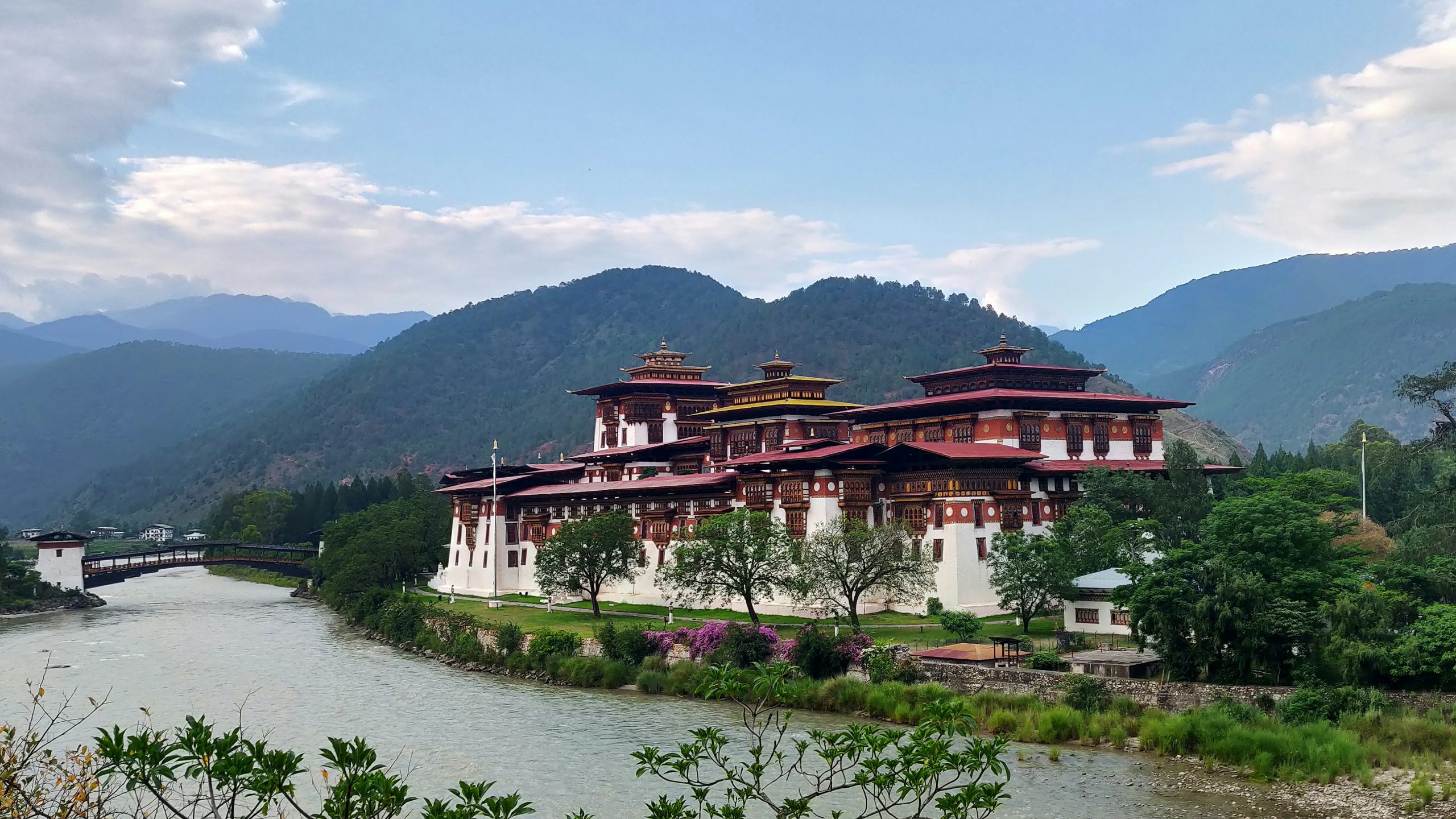
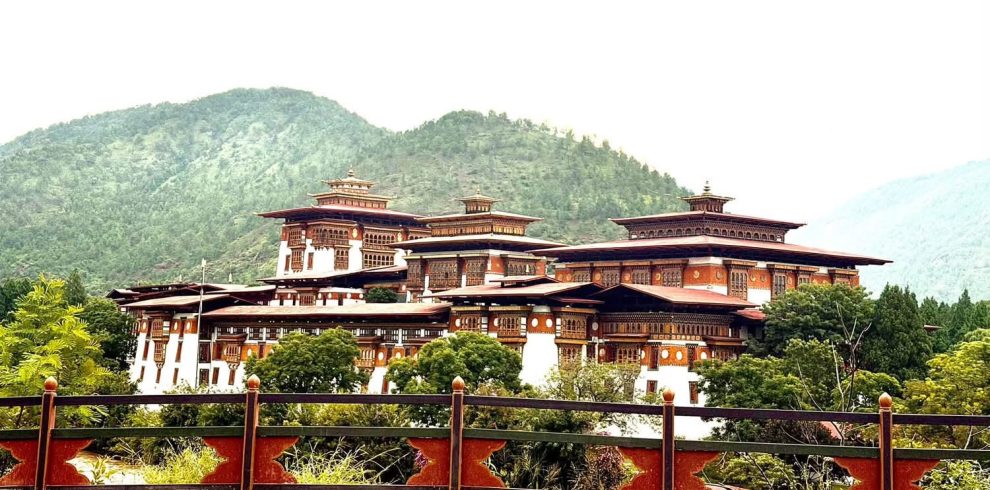
Experience the best of Bhutan in just five days—from the peaceful valleys of Paro and Thimphu to the historic Punakha Dzong, spectacular Dochula Pass, and the legendary Tiger’s Nest Monastery.
Explore Bhutan’s ancient Buddhist heritage, traditional architecture, Himalayan landscapes, and unique way of life with Tibet Tours Nepal.
Contact Tibet Tours Nepal for current prices, available departure dates, visa assistance, and customized Bhutan tour options.