
-
March, April, May, September, October & November
-
Breakfast, Lunch and Dinner
-
6118m
-
Hotels and Teahouse
Overview
Lobuche East Peak Climbing is an exciting Himalayan adventure that combines high-altitude trekking in the Everest region with the challenge of reaching a 6,119-meter summit.
Located in the Khumbu region of Nepal, Lobuche East offers an excellent opportunity for experienced trekkers and aspiring mountaineers to experience technical Himalayan climbing. The journey takes you through Sagarmatha National Park, traditional Sherpa villages, Buddhist monasteries and spectacular mountain landscapes.
The expedition begins in Kathmandu before a scenic flight to Lukla. From Lukla, the trail follows the classic Everest-region route through Phakding, Namche Bazaar and Tengboche before reaching Pheriche and Lobuche.
Acclimatization in Namche Bazaar and Pheriche allows your body to gradually adjust to the increasing altitude. From Lobuche, the route continues toward Lobuche East Base Camp and High Camp, where you receive final climbing preparation before the summit attempt.
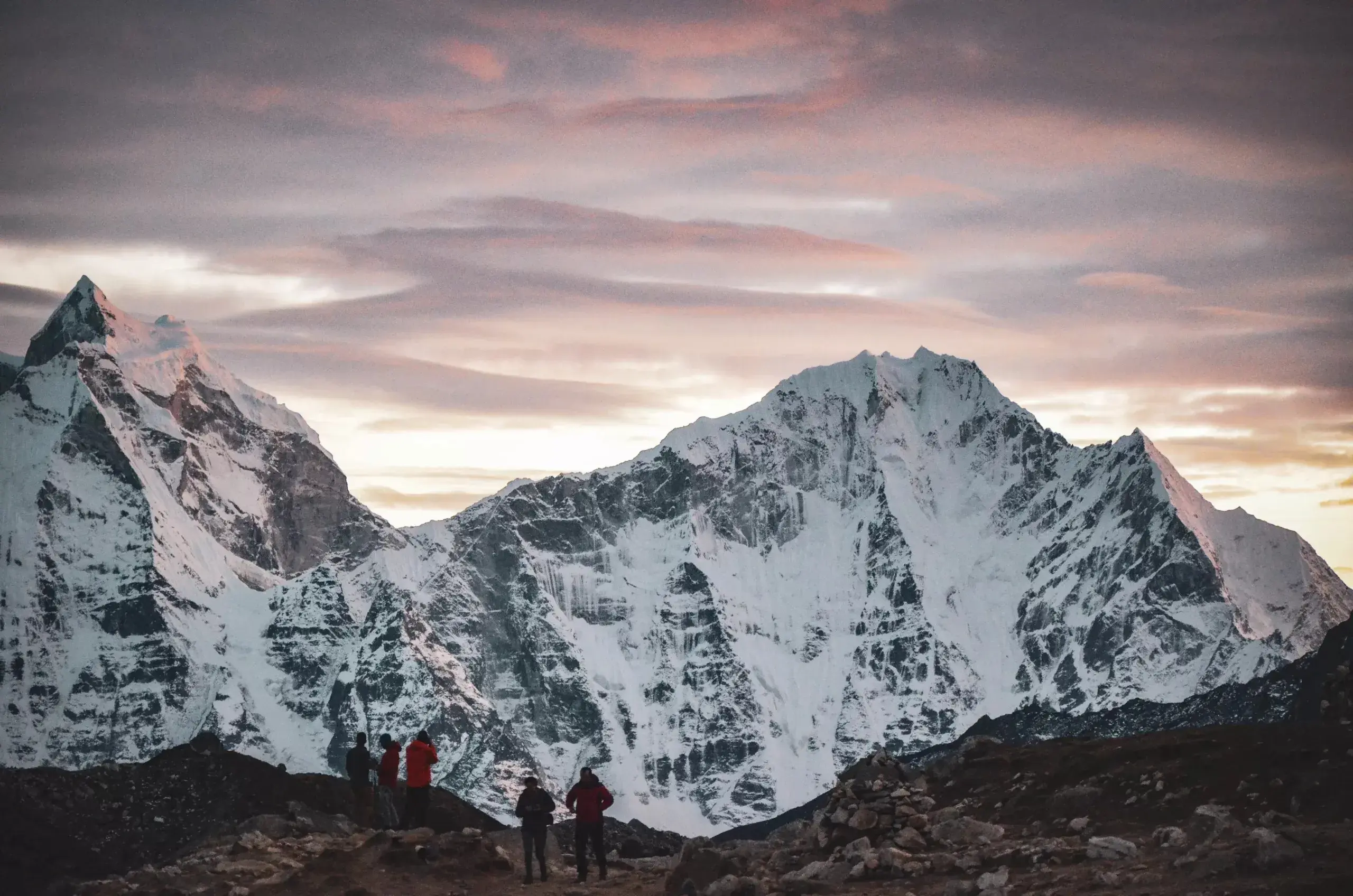
The summit climb involves steep snow and rocky terrain and may require crampons, an ice axe, climbing harness, helmet and fixed-rope techniques. From the summit, you can enjoy breathtaking views of Everest, Lhotse, Makalu, Cho Oyu, Ama Dablam, Pumori and the Khumbu Glacier.
With proper preparation, experienced guides and a carefully planned acclimatization schedule, Lobuche East Peak Climbing provides an unforgettable Himalayan climbing experience.
Highlights
- Summit Lobuche East Peak at 6,119 m / 20,075 ft
- Scenic flight to Lukla
- Trek through the legendary Everest region
- Explore Namche Bazaar
- Visit Tengboche Monastery
- Experience traditional Sherpa villages and Himalayan culture
- Trek through Sagarmatha National Park
- Trek through the spectacular Khumbu Valley
- Experience high-altitude expedition camping
- Receive pre-climbing training and technical guidance
- Climb using crampons, ice axe, harness and fixed ropes
- Enjoy panoramic Himalayan views from the summit
- Experience the dramatic landscapes surrounding the Khumbu Glacier
Itinerary
come to Nepal.
Upon arrival at Tribhuvan International Airport, our representative will meet you and transfer you to your hotel in Kathmandu.
After checking in, you can rest or explore the surrounding area. Later, you will attend a detailed expedition briefing with your guide.
The briefing covers the trekking route, climbing program, equipment requirements, safety procedures and important information about the expedition.
Your Everest-region adventure begins with an early morning flight to Lukla.
The scenic flight offers spectacular views of the Himalayan landscape before landing at Lukla, the main gateway to the Khumbu region.
After meeting your trekking crew, begin walking toward Phakding.
The trail follows the Dudh Koshi Valley through forests, small Sherpa settlements and suspension bridges.
After approximately 3–4 hours of trekking, reach Phakding and settle into your teahouse
After breakfast, continue along the Dudh Koshi River toward Namche Bazaar.
The trail enters Sagarmatha National Park and crosses several suspension bridges. You will walk through pine and rhododendron forests before beginning the steep ascent toward Namche.
Namche Bazaar is the main trading center of the Khumbu region and an important stop for acclimatization.
On clear days, you can enjoy impressive views of the surrounding Himalayan peaks.
Today is an important acclimatization day.
Rather than remaining completely inactive, take a short hike around Namche and nearby viewpoints.
You can explore the town, visit local attractions and enjoy views of Everest, Thamserku, Kongde Ri, Ama Dablam and other peaks.
The hike helps your body adjust to the increasing altitude before continuing toward higher elevations.
Spend the afternoon relaxing and preparing for the next stage of the expedition.
The trail leaves Namche and follows a scenic route with spectacular views of Everest, Lhotse, Nuptse and Ama Dablam.
After descending toward the Dudh Koshi River, the trail climbs gradually through beautiful forests toward Tengboche.
Tengboche is famous for its historic Buddhist monastery and spectacular mountain setting.
Take time to explore the monastery and experience the peaceful atmosphere of this important Sherpa cultural center.
After breakfast, continue toward Pheriche.
The trail passes through traditional settlements and alpine landscapes as you move deeper into the Khumbu Valley.
The surrounding mountains become increasingly dramatic, with Ama Dablam, Lhotse and other peaks dominating the horizon.
Pheriche is an important acclimatization stop before continuing toward Lobuche.
Today is another important acclimatization day.
You can take a short hike around the Pheriche Valley while gradually adapting to the higher elevation.
Your guide will provide advice about altitude, hydration, pacing and preparation for the climbing stages ahead.
The remainder of the day is used for rest and preparation.
Today the trail climbs higher toward Lobuche.
The landscape becomes increasingly rugged as you enter the higher Khumbu Valley. The trail passes through the memorial area dedicated to climbers who lost their lives in the Himalayas before continuing toward Lobuche.
As you approach Lobuche, you will see spectacular mountain landscapes surrounding the Khumbu Glacier.
Rest and hydrate well after reaching the settlement.
Today marks the beginning of the main climbing phase.
After breakfast, leave Lobuche and move toward Lobuche East High Camp.
The terrain becomes more rugged and technical as you gain altitude. Your climbing guide will provide instructions on equipment and climbing techniques.
At High Camp, the team prepares for the summit attempt.
You will check your crampons, harness, helmet, ice axe and other climbing equipment before resting for the early summit start.
Today is the main objective of the expedition.
The summit attempt begins very early, usually before sunrise, to take advantage of favorable climbing conditions.
The route involves steep snow and rocky sections and may require crampons, ice axe and fixed-rope techniques.
With the support of your climbing guide, gradually ascend toward the summit of Lobuche East.
From the summit at 6,119 meters, enjoy breathtaking views of Everest, Lhotse, Makalu, Cho Oyu, Ama Dablam, Pumori and the Khumbu Glacier.
After spending appropriate time at the summit, begin the descent toward Lobuche.
This is a long and demanding day, so careful pacing and proper hydration are important.
After completing the summit attempt, begin your descent toward Pangboche.
The trail follows the Khumbu Valley through spectacular mountain scenery. As you lose altitude, the landscape gradually becomes greener.
Continue through traditional Sherpa settlements before reaching Pangboche.
Pangboche is one of the oldest villages in the Khumbu region and offers a peaceful environment to rest after the climb.
Continue your descent toward Namche Bazaar.
The trail passes through forests and traditional Sherpa villages, with beautiful views of Ama Dablam and other Himalayan peaks along the way.
After reaching Namche, enjoy a relaxed evening and celebrate the completion of your Lobuche East climbing adventure.
Today is your final day of trekking in the Khumbu.
Follow the trail through forests and Sherpa villages, crossing suspension bridges and following the Dudh Koshi River toward Lukla.
After reaching Lukla, enjoy your final evening in the Everest region with your trekking team.
After breakfast, take your return flight from Lukla toward Kathmandu or Ramechhap, depending on current flight operations.
Upon arrival in Kathmandu, transfer to your hotel.
The remainder of the day is free for relaxation, shopping or exploring the city.
Today is a free day in Kathmandu.
After the demanding trekking and climbing journey, enjoy a relaxed day in the city.
You can explore Thamel, shop for souvenirs, visit cultural attractions or simply rest at your hotel.
This day also provides flexibility in case of unexpected flight or weather delays during the expedition.
Your Lobuche East Peak Climbing adventure comes to an end today.
Depending on your flight schedule, our representative will transfer you to Tribhuvan International Airport for your onward journey.
Take home unforgettable memories of the Everest region, Sherpa culture and your Lobuche East summit experience.
Includes/Excludes
Includes
- Airport pickup and drop-off in Kathmandu
- 3 nights’ accommodation in Kathmandu with breakfast
- Teahouse accommodation during the trekking period
- Tented camp accommodation during the climbing section
- Kathmandu/Ramechhap–Lukla–Kathmandu/Ramechhap flight
- Airport transfers for Lukla flights
- Breakfast, lunch and dinner during the trek
- Tea or coffee with meals during the trek
- Experienced English-speaking trekking guide
- Experienced Lobuche East climbing guide
- Porter service
- Trekking permits
- Lobuche East climbing permit
- Sagarmatha National Park entry permit
- Khumbu Pasang Lhamu Rural Municipality permit
- Required climbing and camping equipment
- Climbing ropes and group equipment
- First-aid kit
- Oximeter for altitude monitoring
- Camping and kitchen equipment for the climbing section
- Government and local taxes
Excludes
- International airfare
- Nepal visa fee
- Travel insurance
- Emergency helicopter evacuation
- Personal medical expenses
- Personal climbing equipment unless specifically included
- Personal clothing and trekking gear
- Bottled water
- Alcoholic beverages
- Hot showers during the trek
- Wi-Fi and charging fees
- Personal expenses and shopping
- Tips for guides, porters and climbing staff
- Expenses caused by flight delays or cancellations
- Additional accommodation or meals caused by itinerary changes
- Any service not specifically mentioned under “Cost Includes”
About Trips
Best Time for Lobuche East Peak Climbing
The best seasons for Lobuche East Peak Climbing are spring and autumn.
Spring – March to May
Spring generally offers good visibility, stable weather and favorable conditions for trekking and climbing. April and May are popular months for climbing in the Everest region.
Autumn – September to November
Autumn is another excellent season, with generally clear skies and good mountain visibility. October and November are particularly popular.
Winter – December to February
Winter brings very cold temperatures and potentially heavy snowfall at higher elevations. Climbing during this period requires additional preparation and experience.
Monsoon – June to August
The monsoon season brings rainfall, cloud cover and potentially difficult trail conditions. Lukla flights can also be affected by weather.
Mountain conditions can change quickly, so the actual summit attempt always depends on weather, route conditions and the condition of the climbing team.
How Difficult Is Lobuche East Peak Climbing?
Lobuche East is a strenuous high-altitude climbing expedition.
The trekking approach requires good physical endurance, while the summit section involves steeper and more technical terrain.
Climbers should be comfortable with:
- Long days of trekking
- Steep uphill and downhill walking
- High-altitude environments
- Cold temperatures
- Crampon use
- Ice axe handling
- Fixed-rope techniques
- Basic mountaineering equipment
Previous high-altitude trekking or climbing experience is strongly recommended.
Who Can Climb Lobuche East?
Lobuche East is best suited to physically fit trekkers and climbers who are prepared for high-altitude and technical terrain.
Previous climbing experience is an advantage, but climbers who have completed suitable mountaineering training and are supported by experienced guides can also attempt the peak.
Good physical fitness, proper acclimatization, suitable equipment and a positive mindset are essential.
Acclimatization
Acclimatization is a critical part of this expedition.
The itinerary includes acclimatization days in Namche Bazaar and Pheriche before the route continues toward Lobuche and High Camp.
The gradual increase in altitude allows your body to adapt before the summit attempt.
During the trek, maintain a steady pace, stay hydrated and communicate with your guide if you experience symptoms such as headache, dizziness, nausea or unusual fatigue.
Climbing Equipment
Essential Clothing
- Thermal base layers
- Fleece jacket
- Down or insulated jacket
- Waterproof and windproof jacket
- Waterproof trousers
- Trekking trousers
- Warm gloves
- Insulated mittens
- Warm hat
- Balaclava or buff
- Trekking socks
- Thermal socks
- Sun hat
Footwear
- Mountaineering boots compatible with crampons
- Trekking shoes or boots
- Camp shoes
- Gaiters
Technical Climbing Gear
- Climbing harness
- Mountaineering helmet
- Crampons
- Ice axe
- Ascender/Jumar
- Locking carabiners
- Non-locking carabiners
- Slings
- Belay/rappel device
- Prusik loop where required
Sleeping Equipment
- Warm sleeping bag suitable for high altitude
- Sleeping bag liner
- Sleeping mat where required
Other Equipment
- 30–45 L daypack
- Large duffel bag
- Backpack rain cover
- Headlamp with spare batteries
- Trekking poles
- Glacier sunglasses
- Glacier goggles
- Water bottles or hydration system
- Water purification tablets or filter
- Sunscreen
- Lip balm with SPF
- Personal first-aid kit
- Personal medication
- Power bank
- Camera or GoPro
- Passport and travel documents
Some climbing equipment may be available for rental. Availability and suitability should be confirmed before departure.
Travel Insurance
Travel insurance is essential for Lobuche East Peak Climbing.
Your insurance should cover:
- High-altitude trekking
- Peak climbing
- Emergency medical treatment
- Helicopter evacuation
- Trip cancellation or interruption
- Lost or delayed baggage
Make sure your policy specifically covers the altitude and activities involved in the expedition.
Lukla Flight Information
Flights to and from Lukla depend heavily on weather and operational conditions.
During periods of unfavorable weather or high traffic, flights may operate through Ramechhap Airport instead of Kathmandu.
Delays and cancellations can occur, so the itinerary may need to be adjusted according to actual flight conditions.
Any alternative arrangements, including additional transportation or helicopter services, depend on availability and may involve additional costs.
Safety and Emergency Support
Lobuche East is a high-altitude mountain environment where weather and route conditions can change quickly.
Our trekking and climbing team monitors the group throughout the expedition. The itinerary includes acclimatization days, and the summit attempt is undertaken only when conditions are considered suitable.
Emergency evacuation, including helicopter rescue, should be covered by the traveler’s insurance policy.
If weather, health or mountain conditions make the summit unsafe, the climbing schedule may be changed. Safety always takes priority over reaching the summit.
Food and Water
During the trekking section, meals are served at local teahouses.
Typical meals include:
- Dal bhat
- Rice and vegetables
- Noodles
- Pasta
- Soups
- Eggs
- Bread
- Porridge
- Pancakes
- Potatoes
At the climbing camp, the expedition cooking team provides warm and nutritious meals suitable for high-altitude activity.
Travelers should carry a suitable water bottle or hydration system and use treated or purified drinking water.
Why Choose Lobuche East Peak Climbing?
Everest Region Adventure
Experience the legendary Khumbu region and some of the world’s most spectacular Himalayan landscapes.
High-Altitude Climbing
Move beyond traditional trekking and experience genuine Himalayan peak climbing.
Professional Support
Experienced trekking and climbing guides provide assistance throughout the journey.
Proper Acclimatization
The itinerary includes planned acclimatization stops before the summit attempt.
Sherpa Culture
Experience the traditions, hospitality and mountain lifestyle of the Sherpa communities.
Personalized Experience
Private and customized arrangements can be organized according to your travel dates, group size and experience.
Book Lobuche East Peak Climbing – 16 Days
Ready to take on one of Nepal’s most exciting Himalayan peaks?
Lobuche East Peak Climbing – 16 Days combines the classic Everest-region trekking experience with a challenging high-altitude summit.
Trek through Sherpa villages, experience the culture of the Khumbu, cross dramatic mountain landscapes and stand at 6,119 meters above sea level with panoramic views of some of the world’s highest mountains.
Contact Tibet Tours Nepal to check availability, current pricing and departure options.
Frequently Asked Questions
General
Lobuche East is approximately 6,119 meters / 20,075 feet above sea level.
Yes. It is a strenuous high-altitude climb involving steep terrain and basic technical mountaineering skills. Climbers should have good fitness and preferably previous high-altitude experience.
Previous climbing or high-altitude trekking experience is strongly recommended. Climbers should also be comfortable learning and using crampons, ice axe and fixed-rope techniques.
The most popular seasons are spring (March–May) and autumn (September–November) because of generally favorable weather and visibility.
This itinerary takes 16 days, including Kathmandu, the trek to the Khumbu region, acclimatization, climbing, summit attempt, descent and return to Kathmandu.
The expedition requires the appropriate trekking, local-area and peak-climbing permits, including the Lobuche East climbing permit and Sagarmatha National Park entry permit.
You will need suitable trekking and mountaineering equipment, including warm clothing, mountaineering boots, crampons, harness, helmet, ice axe, sleeping bag, headlamp and other high-altitude gear.
Some technical climbing equipment may be available for rental in Kathmandu or the Everest region. It is recommended to confirm availability and equipment specifications before departure.
The summit attempt may be delayed or adjusted if weather or route conditions are unsafe. The climbing team will make decisions based on current mountain conditions and the safety of the group.
Yes. Lobuche East reaches more than 6,000 meters, so altitude sickness is a significant consideration. The itinerary includes acclimatization days, but every climber responds differently to altitude.
Yes. Travel insurance covering high-altitude trekking, peak climbing, medical treatment and emergency helicopter evacuation is strongly recommended.