
-
Hotel and Guesthouse
-
Breakfast, Lunch , Dinner
-
5,455m / 18,225ft at Kala Patthar
-
March–May and September–November
-
Private vehicle / Flights
Overview
The Everest Base Camp Leisurely Trek – 16 Days is designed for travelers who want to experience the legendary Everest region at a comfortable pace.
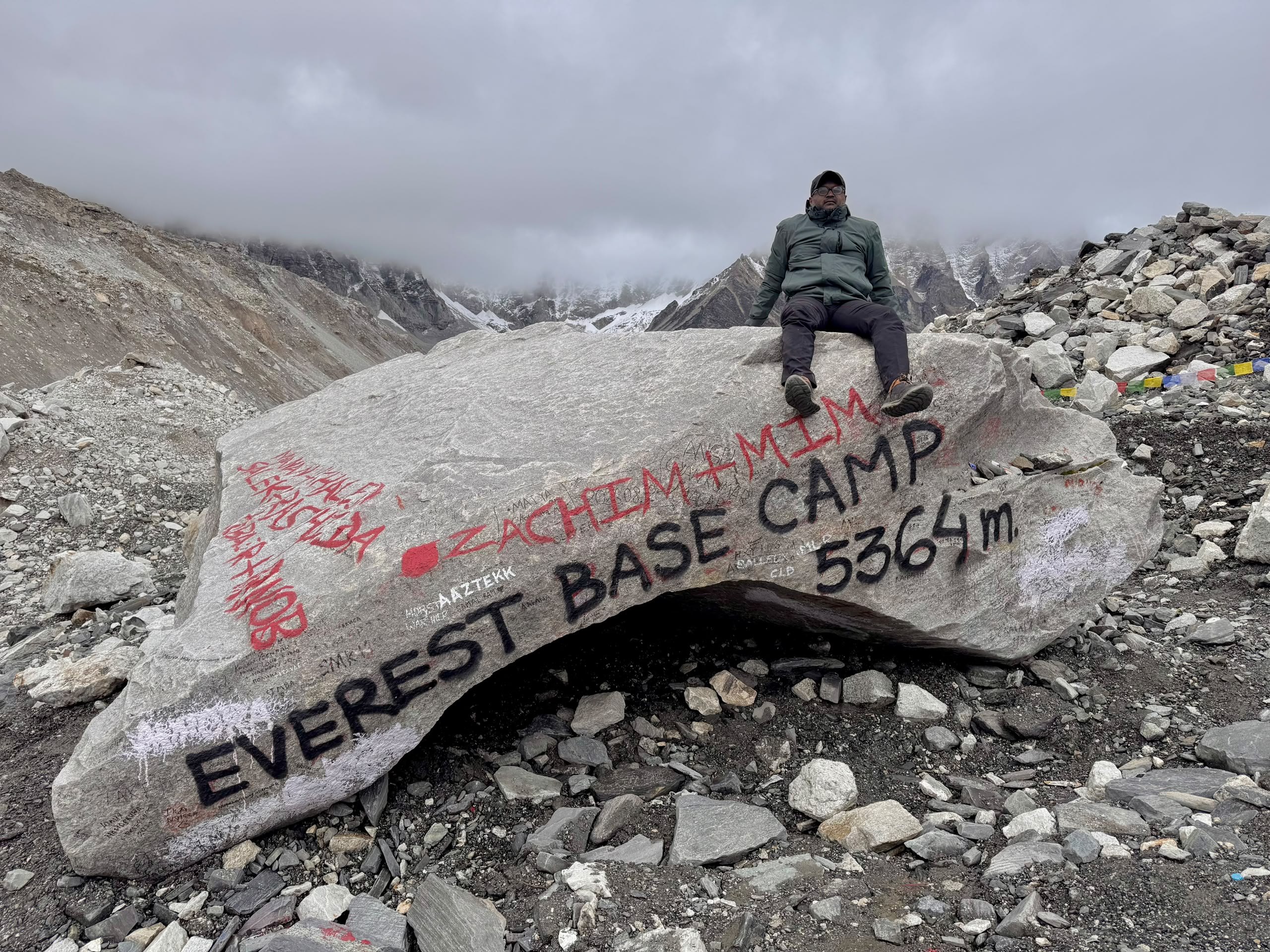
The journey combines spectacular Himalayan scenery, Sherpa culture, historic mountain trails and gradual acclimatization. Starting with a scenic flight to Lukla, the trail passes through famous Khumbu villages including Phakding, Namche Bazaar, Tengboche, Dingboche, Lobuche and Gorak Shep before reaching Everest Base Camp at 5,364m.
Unlike shorter Everest Base Camp itineraries, this 16-day itinerary gives you additional time for acclimatization and includes a sightseeing day in Kathmandu. Rest and acclimatization stops at Namche Bazaar and Dingboche help you adjust gradually to the increasing elevation.
The trek also includes an early-morning hike to Kala Patthar, one of the most famous viewpoints in the Everest region, offering spectacular views of Mount Everest, Lhotse, Nuptse, Pumori and surrounding peaks.
Along the way, you will experience the hospitality and traditions of the Sherpa people, visit mountain monasteries, cross suspension bridges decorated with prayer flags and walk through forests, alpine valleys and glacial landscapes.
This is an ideal Everest Base Camp itinerary for travelers who prefer a slower pace and more time to enjoy the Himalayan environment.
Highlights
- Reach Everest Base Camp at 5,364m
- Hike to Kala Patthar at approximately 5,555m
- Spectacular views of Mount Everest, Lhotse, Nuptse and Ama Dablam
- Scenic flight between Kathmandu and Lukla
- Explore Namche Bazaar, the gateway to Everest
- Visit the famous Tengboche Monastery
- Acclimatization days at Namche and Dingboche
- Hike toward Nagarjuna Peak during Dingboche acclimatization
- Experience traditional Sherpa villages and mountain culture
- Walk through Sagarmatha National Park
- Trek through rhododendron and pine forests
- Explore the high-altitude settlements of Lobuche and Gorak Shep
- Experience the dramatic Khumbu Glacier and surrounding mountains
Itinerary
Arrive at Tribhuvan International Airport in Kathmandu. A representative from Tibet Tours Nepal will meet you at the airport and transfer you to your hotel.
After checking in, you can rest or explore the nearby streets of Thamel. Your guide will also provide information about the upcoming Everest Base Camp trek.
Today is dedicated to exploring the cultural heritage of Kathmandu Valley.
Visit selected UNESCO World Heritage Sites and important cultural landmarks before returning to the hotel.
The sightseeing day also provides an opportunity to prepare your trekking equipment and complete any final preparations for the journey to the Everest region.
Early morning, take a scenic flight toward Lukla, the main gateway to the Everest region.
After landing at Lukla, meet the trekking team and begin walking toward Phakding.
The trail passes through small mountain settlements, forests and rivers before reaching Phakding.
After breakfast, continue along the Dudh Koshi River toward Namche Bazaar.
The trail crosses several suspension bridges and enters Sagarmatha National Park. After a gradual ascent, you reach Namche Bazaar, the main trading and cultural center of the Khumbu region.
Today is an important acclimatization day.
Take a short hike around Namche and nearby viewpoints. Depending on weather and fitness, you may hike toward the Everest View Hotel for spectacular views of Everest, Ama Dablam, Lhotse and other peaks.
Return to Namche for the night.
The trail leaves Namche and follows a scenic route overlooking the Himalayan peaks.
After descending toward the Dudh Koshi River, the trail climbs through forests toward Tengboche.
Tengboche is famous for its beautiful monastery and panoramic mountain views, especially of Ama Dablam.
Continue toward the higher Khumbu Valley.
The trail passes through forests and traditional villages before crossing the Imja Khola and gradually ascending toward Dingboche.
Dingboche is surrounded by impressive Himalayan peaks and is an important acclimatization stop.
Today is another important acclimatization day.
Take a gradual hike toward Nagarjuna Peak, reaching approximately 5,089m depending on conditions and individual fitness.
From the higher viewpoint, enjoy impressive views of the surrounding Himalayan peaks before returning to Dingboche.
The extra elevation gained during the day helps your body adapt before moving toward Lobuche and Everest Base Camp.
The trail climbs gradually toward the higher Khumbu Valley.
You will walk through alpine landscapes with increasingly dramatic mountain scenery. The route passes through the memorial area dedicated to climbers who lost their lives on Himalayan expeditions.
Continue toward Lobuche, where you spend the night preparing for the journey toward Everest Base Camp.
Today is one of the most exciting days of the trek.
Continue from Lobuche toward Gorak Shep, the final settlement before Everest Base Camp.
After a short break, continue toward Everest Base Camp at 5,364m.
The trail follows the Khumbu Glacier and glacial moraine, offering spectacular views of the surrounding peaks and ice formations.
Spend time at Everest Base Camp before returning to Gorak Shep for the night
Wake early for the hike to Kala Patthar, one of the best viewpoints in the Everest region.
From the viewpoint, enjoy panoramic views of Mount Everest, Lhotse, Nuptse, Pumori and surrounding Himalayan peaks.
After enjoying the mountain sunrise, descend toward Gorak Shep and continue to Pheriche.
Descending to a lower elevation also helps with acclimatization and recovery.
Continue descending through the Khumbu Valley.
The trail passes through beautiful mountain landscapes and forests before reaching Tengboche.
Enjoy another evening surrounded by spectacular Himalayan scenery.
The trail continues downhill through forests and traditional villages.
After crossing the Dudh Koshi River, continue toward Namche Bazaar.
Enjoy a relaxed evening in Namche after completing the high-altitude section of the trek.
Today is your final trekking day.
Continue along the Dudh Koshi Valley, crossing suspension bridges and passing through the villages you encountered at the beginning of the trek.
Arrive in Lukla and celebrate the completion of your Everest Base Camp adventure with your trekking team.
Take a morning flight from Lukla back to Kathmandu, subject to weather and flight conditions.
Upon arrival, transfer to your hotel.
The rest of the day is free for shopping, relaxing or exploring Kathmandu.
Your Everest Base Camp journey comes to an end today.
A representative from Tibet Tours Nepal will assist with your transfer to Tribhuvan International Airport according to your flight schedule.
Includes/Excludes
Includes
- Airport arrival and departure transfers
- Three nights' accommodation in Kathmandu at a 3-star hotel on twin-sharing basis
- Guided Kathmandu Valley sightseeing by private vehicle
- Monument entrance fees for included sightseeing
- Twelve nights' accommodation in teahouses during the trek
- Breakfast, lunch and dinner during the trekking portion
- Round-trip domestic flights between Kathmandu and Lukla
- Experienced, English-speaking, government-licensed trekking guide
- Assistant guide where required for larger groups
- Porter service at a ratio of one porter for every two trekkers
- Trekking staff salaries, food, accommodation, insurance and transportation
- Down jacket for use during the trek
- Sleeping bag for use during the trek
- Everest trekking route map
- Required trekking permits
- Sagarmatha National Park entry permit
- Applicable local trekking permits
- Trek leader's medical kit
- Government and local taxes
Excludes
- International airfare
- Nepal tourist visa
- Personal travel insurance
- Helicopter evacuation and medical expenses
- Personal trekking equipment
- Personal medications
- Travel and medical expenses not covered by insurance
- Bottled water and personal beverages
- Wi-Fi and charging fees
- Hot showers during the trek where charged separately
- Personal snacks and extra food
- Tips for guides, porters and drivers
- Personal expenses and shopping
- Additional accommodation or meals caused by delays
- Extra costs resulting from flight cancellations or weather disruptions
- Any services not specifically mentioned under "Cost Includes"
About Trip
Best Time for Everest Base Camp Trek
The best seasons for the Everest Base Camp Trek are spring (March–May) and autumn (September–November).
Spring – March to May
Spring brings generally stable weather, clear mountain views and blooming rhododendrons in the lower sections of the trail.
March, April and May are popular months for trekking in the Everest region.
Autumn – September to November
Autumn is widely considered one of the best seasons for the EBC Trek.
After the monsoon, visibility is often excellent, temperatures are comfortable for trekking and the mountain scenery can be spectacular.
Winter – December to February
Winter brings colder temperatures and possible snowfall at higher elevations. The trails are quieter, but trekkers need proper cold-weather equipment.
Monsoon – June to August
The monsoon brings rain to lower elevations and can affect flight schedules, trail conditions and mountain visibility.
Trekking is still possible, but conditions can be less predictable.
Everest Base Camp Trek Difficulty
The 16-day leisurely EBC Trek is considered moderate.
The itinerary is designed at a slower pace than many shorter EBC programs, with acclimatization days at Namche Bazaar and Dingboche.
However, the trek still reaches elevations above 5,000m, so good physical preparation is essential.
Trekkers should be comfortable with:
- Walking approximately 4–7 hours on trekking days
- Steep uphill and downhill sections
- Uneven rocky terrain
- High-altitude environments
- Cold temperatures
- Long trekking days
- Basic teahouse accommodation
No technical climbing skills are required.
Physical Preparation
Begin preparing at least 6–8 weeks before the trek.
Recommended activities include:
- Regular walking and hiking
- Stair climbing
- Jogging or cycling
- Leg-strength exercises
- Cardiovascular training
- Weekend hikes
- Walking with a light backpack
The goal is to improve endurance and make long days on uneven terrain more comfortable.
Acclimatization and Altitude
Acclimatization is one of the most important parts of the Everest Base Camp Trek.
This itinerary includes:
- Acclimatization day in Namche Bazaar
- Acclimatization day in Dingboche
- Day hike toward Nagarjuna Peak
- Gradual ascent toward Everest Base Camp
- Descent after reaching the highest sections
Common symptoms of altitude sickness can include headache, nausea, dizziness, fatigue and shortness of breath.
Trekkers should inform their guide immediately if they develop symptoms. If symptoms become serious, descending to a lower altitude is the primary response.
Travel Insurance
Travel insurance with high-altitude trekking coverage is strongly recommended and should cover:
- Emergency medical treatment
- High-altitude trekking
- Helicopter evacuation
- Trip cancellation
- Trip interruption
- Baggage loss or delay
Because the trek reaches above 5,000m, make sure your insurance policy specifically covers the altitude of your itinerary.
Lukla Flights
The Everest Base Camp Trek begins and ends with flights between Kathmandu and Lukla.
Flights generally take around 25–35 minutes, depending on conditions.
During busy trekking seasons, flights may operate from Ramechhap/Manthali Airport instead of Kathmandu because of air traffic management.
Lukla flights are weather-dependent, and delays or cancellations can occur because of poor visibility, wind or other mountain weather conditions.
For this reason, travelers should allow some flexibility around their international flight schedule.
Accommodation
Accommodation during the trek is provided in local teahouses and lodges.
Most rooms are simple, usually with twin beds. Bathrooms may be shared, especially at higher elevations.
Facilities become more basic as the altitude increases, but the teahouses provide a warm place to rest and enjoy meals after each trekking day.
Three nights in Kathmandu are provided at a 3-star hotel under the Alpine package structure.
Food and Drinking Water
Meals during the trek generally include Nepali, Tibetan and international options.
Popular meals include:
- Dal bhat
- Momo
- Noodles
- Pasta
- Rice and curry
- Soups
- Potatoes
- Eggs
- Pancakes
- Tibetan bread
- Seasonal vegetables
Tea, coffee, hot chocolate and other drinks are available in most teahouses.
Trekkers should carry reusable water bottles or a hydration system. Boiled, filtered or treated water is recommended at higher elevations.
Guide and Porter Service
An experienced local trekking guide will accompany the group throughout the trek.
The guide assists with:
- Route navigation
- Accommodation arrangements
- Permits
- Altitude monitoring
- Safety
- Local culture and information
- Emergency coordination
Porters carry the main luggage, allowing trekkers to walk with a lighter daypack. The standard arrangement is approximately one porter for every two trekkers.
Permits Required
The Everest Base Camp Trek requires the applicable permits for the Everest/Khumbu region.
These include:
- Sagarmatha National Park Permit
- Khumbu Pasang Lhamu Rural Municipality Permit
- TIMS or other applicable trekking documentation, depending on current regulations
Permit requirements and fees can change, so current requirements should be confirmed before departure.
Wi-Fi and Electricity
Wi-Fi is available in many larger villages and teahouses, although the connection can be slow or unreliable.
Electricity is generally available for charging in teahouses, but charging fees may apply at higher elevations.
A power bank is strongly recommended.
Equipment and Packing List
Clothing
- Thermal base layers
- Trekking shirts
- Trekking pants
- Fleece jacket
- Down jacket
- Waterproof jacket
- Waterproof pants
- Warm hat
- Sun hat
- Trekking gloves
- Warm gloves or mittens
- Trekking socks
- Buff or scarf
Footwear
- Waterproof trekking boots
- Camp shoes or sandals
- Extra trekking socks
Backpack and Bags
- 25–35L daypack
- Main duffel bag
- Waterproof/dry bags
- Rain cover
Sleeping Gear
- Warm sleeping bag
- Sleeping bag liner if preferred
Trekking Accessories
- Trekking poles
- UV-protection sunglasses
- Headlamp
- Water bottles or hydration bladder
- Water purification tablets or filter
- Small first-aid kit
- Sunscreen
- Lip balm with SPF
Electronics
- Mobile phone
- Camera
- Power bank
- Charging cables
- Travel adapter
Documents
- Passport
- Nepal visa
- Travel insurance documents
- Emergency contact information
- Trekking permit documentation
Who Is This Trek For?
The Everest Base Camp Leisurely Trek is ideal for:
- First-time Himalayan trekkers with good fitness
- Travelers who prefer a slower trekking pace
- People who want additional acclimatization time
- Adventure travelers interested in Sherpa culture
- Photographers and mountain enthusiasts
- Travelers who want to experience Everest without technical climbing
- Couples and families who are physically prepared for high-altitude trekking
Why Choose Tibet Tours Nepal?
Tibet Tours Nepal provides carefully organized Himalayan trekking experiences supported by experienced local guides and trekking staff.
For the Everest Base Camp Trek, our team can assist with:
- Lukla flight arrangements
- Trekking permits
- Experienced local guides
- Porter services
- Teahouse accommodation
- Meals
- Kathmandu accommodation
- Airport transfers
- Altitude and itinerary planning
- Emergency coordination
- Customized trekking arrangements
The itinerary can also be customized according to your available time, preferred pace and travel requirements.
Book Your Everest Base Camp Trek
Walk in the footsteps of legendary mountaineers and experience the incredible landscapes of the Khumbu Himalayas.
From the lively streets of Kathmandu to the mountain air of Lukla, the Sherpa villages of Namche and Tengboche, the glaciers around Gorak Shep and the unforgettable views from Kala Patthar, the 16-day Everest Base Camp Leisurely Trek offers time to experience the journey not simply reach the destination.
Contact Tibet Tours Nepal to check availability, current flight arrangements and customize your Everest Base Camp adventure.
Frequently Asked Questions
General
The itinerary is 16 days, including Kathmandu sightseeing, trekking to Everest Base Camp, Kala Patthar, return to Lukla and the flight back to Kathmandu.
Everest Base Camp is approximately 5,364m / 17,598ft above sea level.
The highest point is Kala Patthar, approximately 5,555m / 18,225ft, according to the itinerary used for this package.
The 16-day leisurely itinerary is considered moderate. The additional acclimatization time makes it more comfortable than many shorter itineraries, but the high altitude still requires good fitness and preparation.
No. Everest Base Camp is a trekking destination, so technical mountaineering experience is not required.
Previous trekking experience is helpful but not essential. Regular hiking and good physical preparation are recommended.
The best seasons are generally spring (March–May) and autumn (September–November).
No. Lukla flights depend on weather and operating conditions. Delays and cancellations are possible, so travelers should keep some flexibility in their international flight schedule.
Yes. Tibet Tours Nepal can customize the Everest Base Camp itinerary according to your preferred duration, trekking pace, accommodation and transportation arrangements.
Travel insurance with high-altitude trekking and emergency evacuation coverage is strongly recommended.