
-
Breakfast, Lunch, Dinner
-
6,189 m / 20,305 ft
-
Trekking, Peak Climbing
-
Private Vehicle/ Flights
Overview
Island Peak Climbing, also known as Imja Tse Climbing, is one of Nepal’s most rewarding Himalayan peak adventures. Standing at 6,189 meters above sea level, Island Peak combines a spectacular trek through the Everest region with an exciting high-altitude climbing experience.
The 16-day journey begins in Kathmandu before flying to Lukla and trekking through the heart of the Khumbu Valley. Along the way, you will experience traditional Sherpa villages, Buddhist monasteries, dramatic mountain landscapes and some of the most famous trails in the Everest region.
The route passes through Phakding, Namche Bazaar, Tengboche, Dingboche and Chhukung before reaching Island Peak Base Camp. Important acclimatization days in Namche and Dingboche allow your body to gradually adjust to increasing altitude.
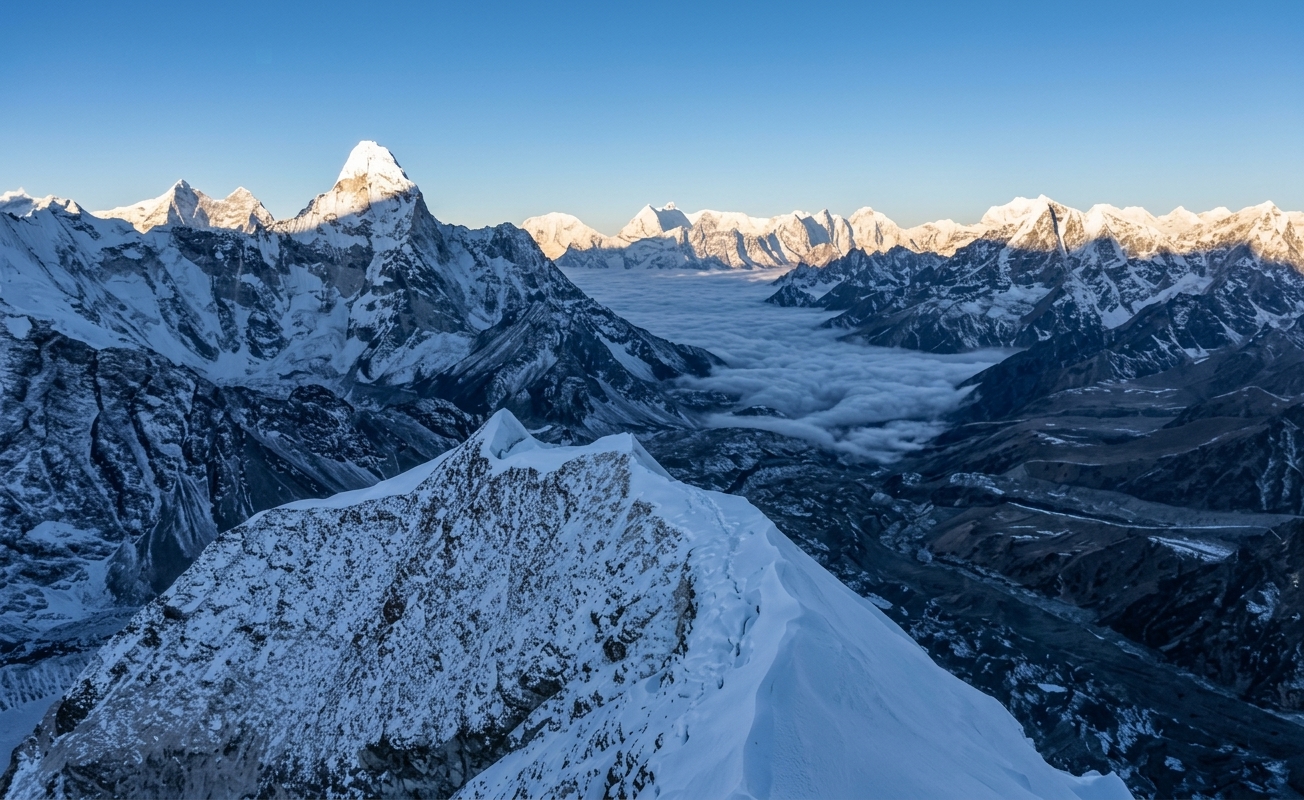
At Island Peak Base Camp, you receive preparation and climbing guidance before attempting the summit. The upper section involves steep and glaciated terrain where climbers may use crampons, ice axe, harnesses and fixed ropes. Reaching the summit rewards you with spectacular views of Lhotse, Ama Dablam, Makalu, Baruntse and other Himalayan peaks.
Island Peak is considered suitable for physically fit and well-prepared climbers, including strong beginners with appropriate preparation. However, it is a genuine high-altitude climbing expedition rather than an ordinary trekking route. Good fitness, acclimatization, proper equipment and experienced mountain guides are essential.
Highlights
- Summit Island Peak (6,189 m / 20,305 ft)
- Scenic flight to Lukla and trek through the Everest region
- Explore the famous Sherpa town of Namche Bazaar
- Visit the historic Tengboche Monastery
- Trek through Sagarmatha National Park
- Experience traditional Sherpa villages and Himalayan culture
- Training and preparation at Island Peak Base Camp
- Use basic mountaineering equipment including crampons, harness and ice axe
- Enjoy spectacular views of Lhotse, Ama Dablam, Makalu and surrounding peaks
Itinerary
Welcome to Nepal. Upon arrival at Tribhuvan International Airport, you will be welcomed by our representative and transferred to your hotel in Kathmandu.
After check-in, you can rest or explore the nearby streets of Kathmandu. In the evening, we will have a trip briefing where your guide will explain the trekking and climbing program, equipment requirements and important safety information.
Early in the morning, take a scenic flight toward Lukla, the gateway to the Everest region. Depending on operational conditions, flights may operate from Kathmandu or Ramechhap.
After landing at Lukla, meet the trekking crew and begin your trek through beautiful mountain landscapes. The trail passes through small villages, forests and suspension bridges before reaching Phakding.
This relatively short first trekking day allows you to begin adapting to the Himalayan environment
Today, the trail follows the Dudh Koshi River and enters Sagarmatha National Park.
You will cross several suspension bridges and pass through beautiful pine and rhododendron forests before gradually climbing toward Namche Bazaar.
Namche is the main trading and cultural center of the Khumbu region and provides the first impressive views of the surrounding Himalayan peaks.
Today is an important acclimatization day.
Rather than remaining completely inactive, you will take a short hike around Namche and nearby viewpoints. You can explore the town, visit local attractions and enjoy panoramic views of Everest, Lhotse, Ama Dablam and other Himalayan peaks.
The extra time at altitude helps your body adjust before continuing higher into the Khumbu Valley.
The trail leaves Namche and follows a scenic route with spectacular views of Everest, Lhotse, Nuptse and Ama Dablam.
After descending toward the Dudh Koshi River, you gradually climb through forests toward Tengboche.
Tengboche is famous for its historic Buddhist monastery and its impressive mountain setting. If conditions permit, you can explore the monastery and experience the peaceful atmosphere of this important Sherpa spiritual center.
After breakfast, continue toward Dingboche.
The trail passes through forests and traditional mountain settlements before opening into the wider alpine landscapes of the Imja Valley. Along the way, you will have excellent views of Ama Dablam, Lhotse and other surrounding peaks.
Another important acclimatization day is scheduled in Dingboche.
Today, you will hike toward Chhukung Ri, one of the excellent viewpoints in the region. The climb provides spectacular views of Island Peak, Lhotse, Ama Dablam, glaciers and surrounding valleys.
After spending time enjoying the mountain scenery, return to Dingboche for rest and preparation for the next stage of the expedition.
Today’s trek takes you deeper into the Imja Valley toward Chhukung.
The landscape becomes increasingly alpine as you approach the mountain peaks. From Chhukung, you can enjoy impressive views of Island Peak and the surrounding Himalayan giants.
The afternoon is generally used for rest and preparation for the journey to Island Peak Base Camp.
Today is an exciting stage of the expedition as you leave Chhukung and trek toward Island Peak Base Camp.
The trail passes through rugged glacial landscapes with views of Island Peak and the surrounding mountains. After reaching Base Camp, the climbing team will prepare for the summit attempt.
Your climbing guide will provide practical instructions on the use of climbing equipment, including crampons, harnesses, ice axes and fixed ropes.
Today is dedicated to final preparation for the summit attempt.
The climbing team checks equipment, reviews the route and practices essential climbing techniques. Depending on weather, route and climbing conditions, the team may move toward a higher camp in preparation for the summit push.
Your guide will provide instructions on movement with crampons, ice axe use, fixed-rope techniques and safe climbing practices.
Rest and proper hydration are important before the demanding summit attempt.
Today is the main objective of the expedition.
The summit attempt normally begins very early to take advantage of favorable climbing conditions. The route becomes increasingly steep and technical, requiring careful movement and the use of mountaineering equipment.
With the support of your climbing guide, you will ascend toward the summit of Island Peak. From the top, enjoy spectacular panoramic views of Lhotse, Makalu, Ama Dablam, Baruntse and the surrounding Himalayan peaks.
After spending appropriate time at the summit, descend carefully back toward Base Camp.
After the demanding summit experience, begin your descent through the Khumbu Valley.
The trail passes back through Chhukung and follows the valley toward Pangboche. As you descend, the air becomes warmer and the landscape gradually changes from rugged alpine terrain to forests and mountain villages.
Continue your descent toward Namche Bazaar.
The trail passes through beautiful forests and traditional Sherpa settlements while offering further views of Ama Dablam and other Himalayan peaks.
After reaching Namche, enjoy a comfortable evening and celebrate the successful completion of the climbing section of your journey.
Today is the final trekking day.
Follow the familiar trail through forests and Sherpa villages, crossing suspension bridges and following the Dudh Koshi Valley toward Lukla.
After reaching Lukla, enjoy your final evening in the Everest region with your trekking team.
After breakfast, take your return flight from Lukla to Kathmandu or Ramechhap, depending on current flight operations.
Upon arrival, transfer to your hotel in Kathmandu. The rest of the day is free for relaxation, shopping or exploring the city.
Your Island Peak Climbing adventure comes to an end today.
Depending on your flight schedule, our representative will transfer you to Tribhuvan International Airport for your onward journey.
Take home unforgettable memories of the Everest region, the Sherpa culture and your Island Peak summit experience.
Includes/Excludes
Includes
- Airport pickup and drop-off in Kathmandu according to the itinerary
- 3 nights’ accommodation in Kathmandu with breakfast
- Teahouse accommodation during the trekking period
- Camping accommodation during the Island Peak climbing section
- Kathmandu/Ramechhap–Lukla–Kathmandu/Ramechhap flight
- Airport transfers related to Lukla flights
- Breakfast, lunch and dinner during the trek
- Tea or coffee with meals during the trekking period
- Experienced English-speaking trekking guide
- Experienced Island Peak climbing guide
- Porter service
- Required trekking and climbing permits
- Island Peak climbing permit
- Sagarmatha National Park entry permit
- Khumbu Pasang Lhamu Rural Municipality permit
- Camping and kitchen equipment for the climbing section
- Tents and basic camp equipment
- Climbing ropes and necessary group climbing equipment
- First-aid kit and basic high-altitude medical supplies
- Required government and local taxes
Excludes
- International airfare
- Nepal visa fee
- Travel insurance
- Emergency helicopter evacuation
- Personal medical expenses
- Personal climbing equipment unless specifically included
- Personal clothing and trekking gear
- Bottled water and alcoholic beverages
- Hot showers and charging fees during the trek
- Wi-Fi and internet expenses
- Personal expenses and shopping
- Tips for guides, porters and support staff
- Expenses caused by flight delays or cancellations
- Extra accommodation or meals caused by itinerary changes
- Any service not specifically mentioned under “Cost Includes”
About Trip
Best Time for Island Peak Climbing
The best seasons for Island Peak Climbing are spring and autumn.
Spring: March to May
Spring offers generally stable weather, good visibility and favorable mountain conditions. April and May are particularly popular for Himalayan climbing.
Autumn: September to November
Autumn brings clearer skies, fresh mountain air and generally good visibility. September and October are especially popular months for trekking and climbing in the Everest region.
Winter: December to February
Winter brings very cold temperatures, strong winds and possible snowfall at higher elevations. Climbing is possible for experienced mountaineers with appropriate preparation, but conditions are more demanding.
Monsoon: June to August
The monsoon brings rainfall, cloud cover and potentially difficult trail conditions. Flight operations to Lukla can also be affected by weather.
Actual climbing conditions can vary, and the summit attempt is always subject to current weather, route and mountain conditions.
How Difficult Is Island Peak Climbing?
Island Peak is a strenuous high-altitude climbing adventure.
The trek to Base Camp requires good cardiovascular fitness and the ability to walk for several hours on consecutive days at increasing altitude. The summit section adds technical climbing challenges, including steep terrain, snow and ice, crampon use and fixed ropes.
Previous high-altitude trekking experience is strongly recommended. However, experienced guides and proper pre-climbing training can help physically fit beginners develop the basic skills required for the summit attempt.
The most important preparation areas are:
- Cardiovascular endurance
- Leg and core strength
- Long-distance hiking
- Uphill and downhill training
- Carrying a backpack
- Basic mountaineering skills
- Mental preparation for cold and altitude
Island Peak Climbing Preparation
We recommend beginning physical preparation approximately 3–6 months before departure.
Regular hiking, running, cycling, stair climbing and strength training can help build endurance.
Long uphill hikes carrying a backpack are particularly useful because they simulate the physical demands of the trek.
If possible, climbers should also practice basic mountaineering techniques such as:
- Walking with crampons
- Ice axe handling
- Harness use
- Fixed-rope movement
- Basic climbing techniques
Previous experience at high altitude is an advantage, but good preparation and professional guidance are equally important.
Acclimatization
Acclimatization is one of the most important parts of the Island Peak itinerary.
The journey includes planned acclimatization stops in Namche Bazaar and Dingboche, along with an acclimatization hike toward Chhukung Ri.
These rest and activity days allow your body to gradually adapt to lower oxygen levels before moving toward Island Peak Base Camp.
Climbers should stay hydrated, maintain a steady pace and communicate openly with their guide about any symptoms they experience.
Travel Insurance
Travel insurance is essential for Island Peak Climbing.
Your insurance should cover:
- High-altitude trekking
- Peak climbing
- Emergency medical treatment
- Helicopter evacuation
- Trip cancellation or interruption
- Lost or delayed baggage
Make sure your policy specifically covers activities at the altitude required for Island Peak.
Island Peak Climbing Equipment
Clothing
- Moisture-wicking base layers
- Thermal underwear
- Fleece jacket
- Down or synthetic insulated jacket
- Waterproof and windproof jacket
- Waterproof trousers
- Trekking shirts
- Trekking trousers
- Warm gloves
- Insulated mittens
- Wool or synthetic trekking socks
- Thermal expedition socks
- Warm hat
- Buff or balaclava
- Sun hat
Footwear
- Mountaineering boots suitable for crampons
- Lightweight trekking shoes or boots
- Camp shoes or sandals
- Gaiters
Climbing Equipment
- Climbing harness
- Mountaineering helmet
- Crampons
- Ice axe
- Ascender/Jumar
- Locking carabiners
- Non-locking carabiners
- Slings
- Belay/rappel device
- Prusik loop where required
Sleeping Equipment
- Warm sleeping bag suitable for high altitude
- Sleeping bag liner
- Sleeping mat if required
Backpack
- 30–45 L daypack
- Large duffel bag for porter transport
- Rain cover
- Dry bags or stuff sacks
Accessories
- Headlamp with spare batteries
- Trekking poles
- Glacier-rated sunglasses
- Glacier goggles
- Two 1-liter water bottles
- Hydration system
- Water purification tablets or filter
- Power bank
- Sunscreen
- Lip balm with SPF
- Personal toiletries
- First-aid supplies
- Personal medication
- Passport and travel documents
- Travel insurance documents
- Camera or GoPro
Some technical climbing equipment may be available for rental in Kathmandu or the Khumbu region. Availability should be confirmed before departure.
Food and Drinking Water
During the trekking portion, meals are generally served at local teahouses. Breakfast may include porridge, eggs, toast or pancakes, while lunch and dinner commonly include dal bhat, rice, vegetables, noodles, pasta, soups and other simple meals.
At the climbing camp, meals are prepared by the expedition cooking team and focus on warm, filling food suitable for high-altitude activity.
Adequate hydration is important throughout the journey. Treated drinking water, purification tablets or a suitable water filter are recommended.
Safety and Altitude
Island Peak is a high-altitude environment where conditions can change rapidly.
Your guides monitor the group throughout the trek and climbing section. The itinerary includes acclimatization days, and the pace can be adjusted according to the condition of the group and the mountain.
Common symptoms of altitude sickness can include:
- Headache
- Nausea
- Dizziness
- Fatigue
- Loss of appetite
If symptoms become serious or worsen, descending to a lower altitude is the safest response.
The summit attempt may be changed or postponed if weather, route conditions or other safety factors make climbing unsuitable.
Lukla Flight Information
Flights to and from Lukla are highly dependent on weather and operational conditions.
Cloud, wind, rain or other mountain weather can cause delays or cancellations. During some periods, flights may operate through Ramechhap Airport instead of Kathmandu.
If a flight is delayed, the itinerary may need to be adjusted. Possible alternatives can include waiting for better weather, taking an available helicopter flight at additional cost, or using alternative road and trekking arrangements where practical.
Any changes will depend on the actual conditions at the time of travel.
Island Peak Climbing Permits
Island Peak climbing requires the appropriate trekking, local-area and climbing permits.
These generally include:
- Sagarmatha National Park Entry Permit
- Khumbu Pasang Lhamu Rural Municipality Entrance Permit
- Island Peak Climbing Permit
Permit requirements and fees can change, so current regulations should be confirmed before departure.
Who Is This Trip For?
Island Peak Climbing is ideal for:
- Experienced trekkers looking for their first Himalayan climbing peak
- Physically fit adventure travelers
- Climbers interested in learning basic mountaineering skills
- Travelers wanting a combination of trekking and peak climbing
- Experienced mountaineers seeking a rewarding Himalayan summit
It is not recommended for travelers who are unprepared for long trekking days, high altitude or technical climbing sections.
Why Travel With Tibet Tours Nepal?
Experienced Local Support
Travel with experienced trekking and climbing professionals who understand the Everest region and Himalayan conditions.
Carefully Planned Itineraries
Our itineraries balance adventure, acclimatization and cultural experiences to create a comfortable and rewarding journey.
Personalized Experiences
Whether you are an experienced climber or preparing for your first Himalayan peak, we can help tailor the experience to your goals and experience level.
Travel With Confidence
From airport arrival to the final departure, our team provides support throughout your journey.
24/7 Assistance
Our team remains available before and during your trip to help with questions, arrangements and unexpected changes.
Book Your Island Peak Climbing Adventure
Ready to take on one of Nepal’s most exciting trekking peaks?
Island Peak Climbing – 16 Days combines the beauty of the Everest region with the challenge of reaching a Himalayan summit. Trek through Sherpa villages, experience the culture of the Khumbu, prepare at Island Peak Base Camp and stand at 6,189 meters above the Himalayas.
Contact Tibet Tours Nepal to check availability, receive the latest price and plan your Island Peak adventure.
Frequently Asked Questions
General
Island Peak can be suitable for strong and well-prepared beginners, but it is not a standard trekking route. The summit requires basic mountaineering skills and the use of climbing equipment. Previous high-altitude trekking experience is highly beneficial.
Island Peak, also known as Imja Tse, stands at 6,189 meters / 20,305 feet above sea level.
It is considered a strenuous high-altitude climb. The trek requires good endurance, while the summit section involves steep and technical terrain, crampons, fixed ropes and other mountaineering equipment.
The most popular climbing seasons are spring (March–May) and autumn (September–November). April, May, October and early November are generally among the preferred periods, subject to actual mountain conditions.
Previous mountaineering experience is helpful but not always essential for physically fit climbers. You should be comfortable with high-altitude trekking and willing to learn basic climbing techniques before the summit attempt.
This itinerary takes 16 days, including Kathmandu, the trek through the Everest region, acclimatization, Island Peak Base Camp, summit attempt and return to Kathmandu.
Essential equipment includes suitable mountaineering boots, crampons, harness, helmet, ice axe, warm clothing, sleeping bag, headlamp, sunglasses and other high-altitude trekking equipment. Some technical equipment may be available for rental.
The Island Peak region offers spectacular views of several major Himalayan peaks. The journey also provides views of Everest and surrounding peaks along the Everest-region trekking route.
Mountain weather can change quickly. If conditions are unsuitable, the climbing team may adjust the summit schedule or itinerary. Safety and current mountain conditions take priority over the planned summit schedule.
Yes. Comprehensive travel insurance covering high-altitude trekking, peak climbing, emergency medical treatment and helicopter evacuation is strongly recommended.
Yes. The trek to Island Peak Base Camp follows demanding high-altitude trails, while the summit section adds technical climbing. It therefore requires greater physical preparation and mountaineering skills than a standard Everest Base Camp trek.