
-
March, April, May, September, October & November
-
6461m
-
Breakfast, Lunch and DInner
-
Private Vehicle / Flights
-
Hotel, Teahouse, and Camp
Overview
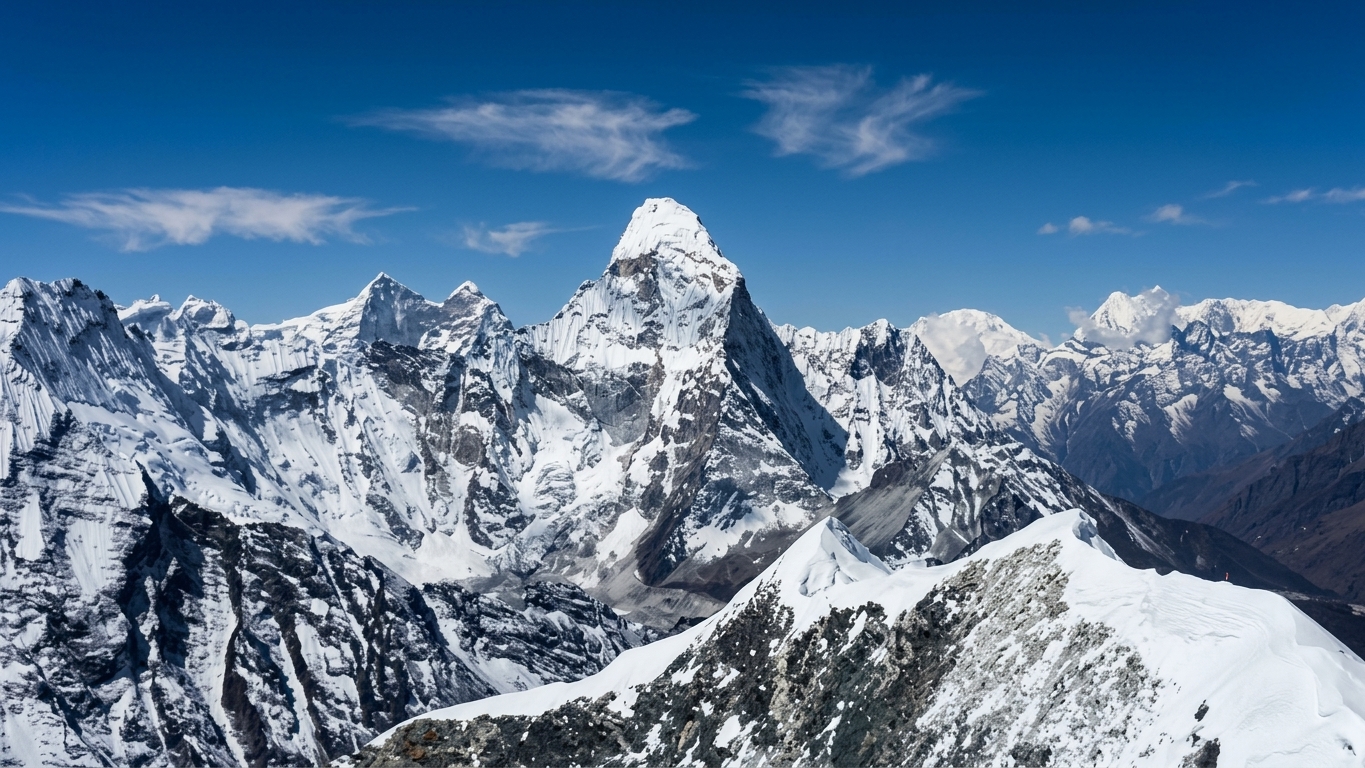
The Mera Peak Summit – 16 Days expedition is an exciting Himalayan adventure for trekkers looking to experience high-altitude mountaineering in Nepal. Standing at approximately 6,476 meters, Mera Peak is one of Nepal’s most popular trekking peaks and offers spectacular views of the surrounding Himalayan mountains.
The journey takes you through the remote Hinku Valley, traditional mountain settlements, rhododendron forests, alpine landscapes, and glacial terrain. Along the way, you will gradually gain altitude, allowing time for acclimatization and climbing preparation before attempting the summit.
With experienced climbing support, proper equipment, and careful planning, this expedition combines wilderness trekking with the challenge of reaching one of Nepal’s highest trekking peaks.
Mera Peak climbing is physically demanding and involves glacier travel, snow, ice, and high-altitude conditions. Previous mountaineering experience is beneficial, and participants should have good fitness and preparation.
Highlights
- Aim for the summit of Mera Peak at approximately 6,476 meters.
- Trek through the beautiful and remote Hinku Valley.
- Explore traditional mountain villages and alpine landscapes.
- Enjoy spectacular Himalayan mountain views.
- Experience high-altitude trekking and glacier travel.
- Receive climbing instruction and equipment preparation before the summit attempt.
- Acclimatize gradually before ascending to higher elevations.
- Experience the adventure of a Himalayan expedition away from the busier trekking trails.
- Travel with an experienced climbing guide and support team.
Itinerary
Welcome to Nepal! Upon arrival at Tribhuvan International Airport, our representative will meet you and transfer you to your hotel in Kathmandu.
After settling in, you can relax or explore the lively streets of Thamel. In the evening, meet your guide and discuss the expedition schedule, safety arrangements, and climbing preparations.
Today is dedicated to expedition preparation. Meet your climbing guide, review the itinerary, and check your trekking and mountaineering equipment.
If necessary, you can rent or purchase additional climbing gear in Kathmandu. Your team will also review the permits, weather considerations, altitude precautions, and safety procedures required for the expedition.
Take an early flight to Lukla, enjoying scenic views of the Himalayan range when weather permits. After meeting your trekking crew, begin the trek toward Chutanga through forested trails and peaceful mountain surroundings.
Today is one of the more demanding trekking days as you cross Zatrwa La Pass. The trail climbs through rugged mountain terrain before reaching the pass, where you may enjoy impressive views of the surrounding Himalayan peaks in clear weather.
After crossing the pass, descend toward Thuli Kharka, where you will spend the night.
Continue the journey toward Kothe, descending through alpine landscapes and forested hills. The trail offers beautiful views of the Hinku Valley and surrounding mountains.
As you move deeper into the Mera Peak region, enjoy the quieter trails and natural beauty of this remote Himalayan area.
After breakfast, follow the trail along the Hinku Valley toward Thangnak. The route passes through dramatic mountain scenery, rocky terrain, and areas with views of surrounding peaks and glaciers.
Arrive at Thangnak and rest in preparation for the higher elevations ahead.
Spend the day acclimatizing to the increasing altitude. You may take a short hike around the area, depending on weather conditions and your guide's advice.
Use this time to rest, drink plenty of water, and monitor how your body responds to the altitude. Proper acclimatization is important before continuing toward Khare and Mera Peak.
Continue toward Khare, the main staging point for the Mera Peak summit expedition. The trail crosses rugged terrain and glacial moraines, with increasingly impressive views of the surrounding mountains.
Upon arrival, settle into your accommodation and prepare for the climbing training and high-altitude stages ahead.
Today is dedicated to acclimatization and climbing preparation. Your climbing guide will explain how to use essential equipment, including crampons, ice axes, harnesses, and ropes, according to the route and conditions.
A short acclimatization hike may be arranged if conditions permit. The remainder of the day is for resting, checking equipment, and preparing for the ascent to Mera High Camp.
Begin the ascent toward Mera High Camp across high-altitude terrain and glacial sections. The route requires careful movement and guidance from your climbing team.
After reaching High Camp, prepare your equipment for the summit attempt. Your guide will review the climbing plan and weather conditions. Rest as much as possible before the early start the following day.
Start early for the summit attempt, crossing snow and glacier terrain under the supervision of your climbing guide. Reaching the summit of Mera Peak offers a rewarding high-altitude mountaineering experience and, in favorable weather, panoramic views of Everest, Makalu, Lhotse, and Cho Oyu.
After spending time at the summit, descend carefully toward Khare. Summit success depends on weather, snow conditions, and the health and safety of the climbing team. Your guide may change or cancel the summit attempt if conditions are unsafe.
After the summit attempt, begin descending through the Hinku Valley toward Kothe. As you lose altitude, the thinner air becomes less challenging, and the changing scenery offers a welcome contrast to the high mountain environment.
Continue at a comfortable pace and enjoy the return journey through the valley.
Continue trekking toward Thuli Kharka through forested hills and rugged mountain terrain. The route includes uphill and downhill sections, so maintain a steady pace and follow your guide's instructions.
Arrive at Thuli Kharka and rest before the final trekking day to Lukla.
Today, retrace the route across Zatrwa La Pass before descending toward Lukla. The pass offers another opportunity to appreciate the surrounding Himalayan landscape when visibility is clear.
After the descent, reach Lukla and celebrate the completion of your Mera Peak expedition with your trekking team.
After breakfast, take a scenic flight from Lukla to Kathmandu or Ramechhap, depending on the flight schedule. Upon arrival, transfer to your hotel or continue with your planned arrangements.
Mountain flights are weather-dependent, so flexibility is important. An additional buffer day is recommended if you have an international flight connection.
Your Mera Peak adventure concludes today. Depending on your flight schedule, transfer to Tribhuvan International Airport for your onward journey.
We hope you leave Nepal with unforgettable memories of the Himalayan landscapes, Sherpa culture, and your Mera Peak climbing experience.
Includes/Exclude
Includes
- Airport transfers in Kathmandu.
- Hotel accommodation in Kathmandu.
- Domestic flights between Kathmandu and Lukla, if specified.
- Teahouse or lodge accommodation during the trek.
- High-altitude camping arrangements as required.
- Trekking and climbing guide services.
- Porter support, according to the agreed staff ratio.
- Applicable trekking and climbing permits.
- Meals during the trekking and climbing period.
- Climbing equipment and group safety gear, where specified.
- Staff wages, meals, accommodation, and insurance as required.
- Government taxes and service charges, where specified.
Excludes
- International airfare to and from Nepal.
- Nepal visa fees, where applicable.
- Personal travel insurance and emergency evacuation coverage.
- Personal climbing clothing and equipment unless specified.
- Meals in Kathmandu beyond the agreed package.
- Additional hotel nights due to flight delays or itinerary changes.
- Personal expenses, snacks, drinks, hot showers, Wi-Fi, and charging fees where applicable.
- Tips for guides, porters, and other support staff.
- Personal expenses and services not listed under inclusions.
About Trips
Best Time for Mera Peak Climbing
Spring (March–May): Spring is a popular climbing season, with generally favorable conditions during suitable weather windows. Rhododendron forests bloom at lower elevations, and mountain scenery is beautiful.
Autumn (September–November): Autumn often offers clear skies and excellent mountain views after the monsoon. It is another popular season for high-altitude trekking and climbing.
Conditions at high altitude can change rapidly in any season. Summit attempts depend on weather, snow and ice conditions, and the judgment of the climbing guide.
Difficulty Level
Mera Peak is a challenging high-altitude climbing expedition. Although it is often classified as a trekking peak, reaching the summit involves glacier travel, snow slopes, exposure to cold temperatures, and substantial physical effort.
Participants should have:
- Good cardiovascular fitness and endurance.
- Experience with long-distance trekking and multi-day hikes.
- The ability to walk for several hours on consecutive days.
- A willingness to learn and use mountaineering equipment.
- Suitable clothing and equipment for extreme cold and high altitude.
Previous mountaineering experience is highly beneficial. Climbers should understand the risks of altitude sickness and follow the guide’s safety decisions throughout the expedition.
Accommodation and Meals
Accommodation is generally provided in hotels in Kathmandu, teahouses or lodges along the trekking route, and high-altitude camps where necessary.
Meals during the trek typically include locally available options such as rice, lentils, vegetables, noodles, soups, potatoes, and other simple mountain meals. Food options may become more limited at higher elevations.
Please confirm the exact accommodation standard, meal plan, camping arrangements, and included climbing support with Tibet Tours Nepal before booking.
Permits and Documentation
Mera Peak climbing requires the applicable climbing and trekking permissions for the chosen route. Requirements and fees may change, so these should be confirmed before departure.
Travelers should bring a valid passport, travel insurance documents, emergency contact information, and any other documents required by the operator.
Comprehensive travel insurance should cover high-altitude trekking, mountaineering up to the planned elevation, emergency medical treatment, and helicopter evacuation where available.
Recommended Packing List
Clothing
- Insulated down jacket.
- Waterproof and windproof outer layers.
- Thermal base layers.
- Fleece or warm mid-layers.
- Insulated trekking trousers.
- Mountaineering boots suitable for the route and crampons.
- Warm gloves and mittens.
- Warm hat, balaclava, and neck covering.
- Thick trekking socks and spare pairs.
Climbing Equipment
- Mountaineering harness.
- Crampons compatible with your boots.
- Ice axe.
- Climbing helmet.
- Headlamp with spare batteries.
- Mountaineering sunglasses or glacier glasses.
- Climbing hardware and technical equipment as instructed by the operator.
Some technical equipment may be supplied by the climbing team. Confirm the equipment list before purchasing or renting gear.
Personal Items
- Trekking backpack and duffel bag.
- Water bottles or insulated flask.
- Sunscreen and lip balm.
- Personal medication and first-aid supplies.
- High-energy snacks.
- Toiletries and quick-drying towel.
- Power bank and charging accessories.
- Passport, permits, insurance documents, and emergency contacts.
Book Your Mera Peak Summit Expedition – 16 Days
Take on the challenge of Mera Peak with a carefully planned Himalayan expedition through the remote Hinku Valley. From forested trekking trails to glacial terrain and the high-altitude summit, this journey offers a memorable experience for adventurous travelers.
Contact Tibet Tours Nepal to discuss your preferred dates, climbing experience, equipment requirements, and customized expedition arrangements.