
Tibet is a remarkable destination known for its dramatic Himalayan landscapes, ancient monasteries, sacred lakes, traditional villages, and unique cultural heritage. From exploring the historic streets of Lhasa to witnessing the northern face of Mount Everest, traveling across the Tibetan Plateau offers experiences unlike anywhere else in the world.
However, choosing the right time to visit Tibet can make a significant difference to your journey. Weather conditions, altitude, road accessibility, visibility, cultural festivals, and your preferred travel activities can all influence your experience.
Generally, April to October is a popular period for visiting Tibet, with May, June, September, and early October often appealing to travelers seeking a combination of sightseeing, mountain scenery, and comfortable daytime conditions. July and August can also be rewarding, although these months bring more rainfall in many areas and often greater visitor demand.
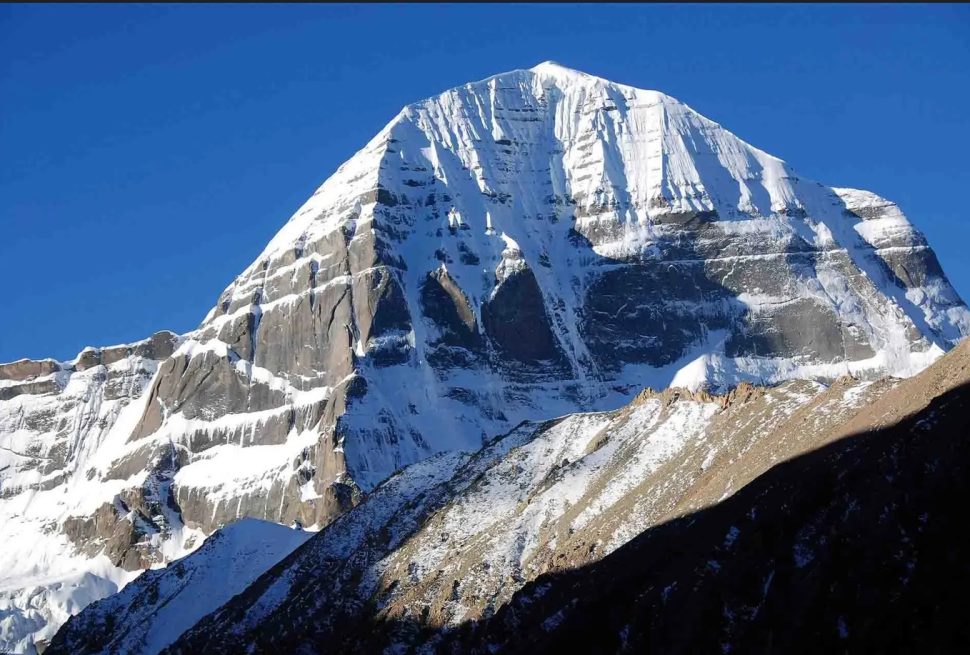
The ideal time ultimately depends on your travel plans. Whether you are interested in a cultural tour of Lhasa, a journey to Tibet’s Everest Base Camp, or a pilgrimage to Mount Kailash and Lake Mansarovar, understanding the seasons will help you prepare for a more comfortable and rewarding trip.
In this guide, we explain Tibet’s climate, the best months for different experiences, and important considerations when planning your tour.
1. Understanding Tibet’s Climate and Seasons

Tibet lies at a high elevation, with much of the plateau situated more than 4,000 metres above sea level. Its climate is influenced by altitude, strong sunshine, low humidity, and significant temperature differences between day and night.
Even during warmer months, evenings can be cold, particularly in mountain regions and around Everest Base Camp. Weather conditions also vary considerably between Lhasa, Shigatse, western Tibet, and the remote areas around Mount Kailash.
Here is a general overview of Tibet’s travel seasons:
| Season | Months | What to expect |
|---|---|---|
| Spring | March–May | Gradually warming weather, cool nights and improving sightseeing conditions |
| Summer | June–August | Warmer daytime temperatures, greener landscapes and increased rainfall |
| Autumn | September–October | Often clear skies, crisp air and good mountain visibility |
| Winter | November–February | Cold temperatures, fewer visitors and possible snow or route disruptions |
These are general seasonal patterns, not guarantees. Conditions can change quickly with elevation, location, and the weather in a particular year.
2. Best Months to Visit Tibet
April: The Beginning of the Travel Season

April marks the transition into the main sightseeing season. Temperatures begin to rise, and Lhasa’s historic landmarks, monasteries, and traditional streets become attractive destinations for travelers interested in Tibetan culture.
The higher Himalayan regions remain cold, and snow may affect some routes. Travelers planning to visit Everest Base Camp or Mount Kailash should check local conditions before confirming their itinerary.
Best for: Cultural sightseeing, monasteries, Lhasa exploration and travelers seeking a quieter atmosphere than peak summer.
May: A Great Month for Cultural and Mountain Tours

May is a popular month for exploring Tibet as daytime conditions generally become more comfortable, while mountain scenery remains impressive. Travelers can explore Lhasa, visit traditional monasteries, and travel across the plateau toward Shigatse and the Everest region.
The Saga Dawa Festival, observed according to the Tibetan lunar calendar, is an important religious occasion. Its exact dates vary each year, so travelers interested in witnessing it should check the calendar for their intended travel year.
Best for: Cultural experiences, scenic road journeys, monastery visits, and selected Everest and Mount Kailash itineraries.
June: A Balance of Sightseeing and Adventure

June brings warmer conditions to many parts of Tibet, making it suitable for extended sightseeing journeys. Travelers can explore Lhasa’s cultural landmarks before continuing toward Shigatse, Everest Base Camp, or other destinations included in their itinerary.
Mountain views can be spectacular, although clouds and changing weather may affect visibility. Temperatures can still drop significantly at night, especially at higher elevations.
Best for: Everest Base Camp tours, extended road trips, cultural sightseeing, and travelers seeking a mix of city and mountain experiences.
July and August: Summer Travel in Tibet

July and August are among the warmer months in Tibet. Grasslands become greener, and the plateau offers beautiful scenery. These months are also popular for holidays, meaning accommodations and tour arrangements may experience higher demand.
Rainfall increases in many areas during summer, especially in the eastern parts of the plateau and along some mountain routes. Rain does not necessarily prevent travel, but it can influence visibility, road conditions, and daily schedules.
The Shoton Festival, celebrated in Lhasa according to the Tibetan calendar, is another cultural highlight. Festival dates change annually.
Best for: Summer holidays, cultural festivals, grassland scenery, and travelers with flexible itineraries.
September: Clear Skies and Mountain Scenery

September is often a rewarding month for travelers interested in mountain scenery and photography. The summer rains begin to ease in many locations, and conditions can be favorable for journeys across the Tibetan Plateau.
This is a suitable period to consider a combination of Lhasa sightseeing, traditional monasteries, and a trip toward Everest Base Camp. However, weather and mountain visibility remain unpredictable.
Best for: Photography, mountain landscapes, sightseeing tours, and longer overland journeys.
October: Autumn Landscapes and Crisp Mountain Air

October often offers dry weather and good visibility, especially earlier in the month. The crisp air and dramatic mountain scenery make it appealing for photography and road trips.
Travelers should be aware that China’s National Day holiday period, generally October 1–7, can increase domestic travel demand. Accommodation availability and transport arrangements may be more challenging during this time.
Temperatures also become colder as the month progresses, particularly after sunset and at higher elevations.
Best for: Mountain photography, scenic drives, cultural tours, and travelers who prefer cooler conditions.
November to March: Is Winter a Good Time to Visit Tibet?

Winter in Tibet brings cold nights, shorter daylight hours, and potentially snowy conditions in high-altitude areas. Nevertheless, Lhasa and some major cultural attractions can still be visited when access is permitted and travel arrangements are available.
Fewer visitors may mean a quieter experience, but remote destinations can be more difficult to reach. Mount Kailash and other high-altitude journeys require particular attention to weather, road accessibility, accommodation, and any seasonal operational restrictions.
There may also be temporary restrictions on foreign tourism or permit issuance during certain periods. Confirm access before making non-refundable arrangements.
Best for: Selected cultural tours, quieter sightseeing, and travelers prepared for cold conditions and flexible itineraries.
3. Best Time to Visit Tibet for Different Travel Experiences
The best travel month depends on what you want to see and do. Consider these general recommendations when planning your journey.
Lhasa Cultural Tours
April–October
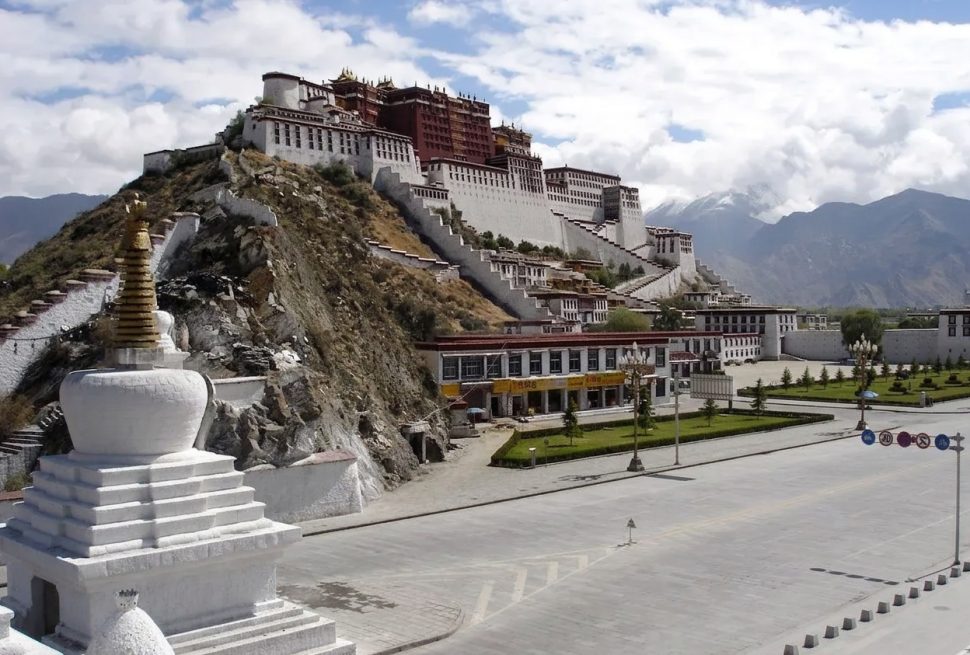
These months generally offer comfortable conditions for exploring Potala Palace, Jokhang Temple, Barkhor Street, and traditional monasteries. Winter visits may also be possible with suitable clothing and confirmed access.
Tibet Everest Base Camp Tours
May–June and September–October
These periods are often considered for mountain views and road journeys. Weather, visibility, road access, and overnight temperatures can vary, so no month guarantees a clear view of Everest.
Mount Kailash and Lake Mansarovar
Late spring–early autumn
Warmer months are generally more suitable for this remote, high-altitude pilgrimage. The Saga Dawa period attracts pilgrims, while snow, wind, and cold can affect conditions throughout the season.
Photography and Scenic Road Trips
May–June and September–October
These months can provide appealing mountain scenery and changing landscapes. September and October are particularly worth considering for crisp autumn conditions, although visibility remains weather-dependent.
4. What Is the Weather Like in Tibet?
Tibet’s weather changes significantly with altitude and location. Lhasa is generally milder than high mountain destinations, while remote western Tibet can experience freezing temperatures even during the warmer months.
Use the following as a general packing and planning guide rather than a precise weather forecast.
| Travel condition | What to expect | What to pack |
|---|---|---|
| Sunny daytime | Strong sunshine and relatively dry air | Sun hat, sunglasses and sunscreen |
| Cool mornings and evenings | Significant temperature drops | Fleece, warm jacket and thermal layers |
| Mountain destinations | Cold winds and possible freezing temperatures | Insulated jacket, gloves and warm socks |
| Summer rainfall | Possible showers and wet roads | Waterproof jacket and suitable footwear |
| High altitude | Reduced oxygen availability | A gradual itinerary and time to acclimatize |
Because much of Tibet sits at high altitude, travelers should allow time to adjust, avoid strenuous activity immediately after arrival, and discuss any relevant health concerns with a medical professional before departure. Seek medical assistance if severe altitude-related symptoms develop.
5. Important Travel Tips Before Visiting Tibet
Choosing the right season is only one part of planning a successful trip. Keep the following points in mind before booking.
Book your tour in advance. Popular travel periods, festival dates, and peak summer holidays can increase demand for accommodation and transportation. Earlier planning also allows more time to organize the required documents.
Confirm permits and entry requirements. Foreign travelers generally need a Tibet Travel Permit arranged through an authorized travel agency. Depending on your nationality, entry route, and itinerary, additional documentation may be required. Requirements can change, so verify them before departure.
Plan for altitude. Many Tibet itineraries involve elevations above 3,000 metres, with some destinations much higher. Build acclimatization time into your schedule and avoid rushing to high-altitude locations.
Dress in layers. Even when the sun feels warm, the temperature can fall quickly after sunset. A windproof outer layer, warm clothing, and sun protection are useful throughout the year.
Keep your itinerary flexible. Mountain weather, road conditions, local regulations, and transportation schedules may affect your plans. Confirm your route and travel arrangements with your tour operator.
6. How to Choose the Right Tibet Tour
If you are visiting Tibet for the first time, your ideal itinerary will depend on your available time, interests, and comfort with high-altitude travel.
- For a short holiday: Choose a Lhasa cultural tour featuring Potala Palace, Jokhang Temple, Barkhor Street, and nearby monasteries.
- For Himalayan scenery: Consider an itinerary combining Lhasa, Shigatse, and Tibet’s Everest Base Camp.
- For a spiritual journey: Explore a Mount Kailash and Lake Mansarovar pilgrimage, allowing sufficient time for acclimatization and the demanding high-altitude journey.
- For a longer adventure: Consider a multi-day overland journey that combines Tibetan culture, mountain landscapes, traditional settlements, and major sightseeing destinations.
Travelers planning to enter Tibet from Nepal should confirm the available entry route, visa arrangements, border operating status, and required permits for their nationality and itinerary. These details should be checked close to the intended departure date.
7. Frequently Asked Questions About Visiting Tibet
What is the best month to visit Tibet?
May, June, September, and early October are popular choices for cultural sightseeing and mountain scenery. The best month depends on your destination, weather preferences, and planned activities.
Can I visit Tibet in winter?
Yes, some destinations can be visited during winter, depending on access permissions, weather, and transportation. Expect cold nights and check whether your intended itinerary is operating.
Is summer a good time to visit Tibet?
Yes. July and August offer warmer temperatures and greener landscapes, although rainfall and visitor demand may be higher.
What is the best time to visit Everest Base Camp in Tibet?
May, June, September, and October are commonly considered for Tibet’s Everest Base Camp tours. Mountain visibility is never guaranteed, and temperatures can be very cold at night.
Do I need a permit to travel to Tibet?
Most foreign passport holders need a Tibet Travel Permit arranged through an authorized Tibet travel agency. Additional documents may apply depending on the route, nationality, and destinations. Confirm current requirements with your tour operator before booking.
How many days should I spend in Tibet?
A cultural visit focused on Lhasa may take several days, while a trip combining Lhasa, Shigatse, and Everest Base Camp requires a longer itinerary. Mount Kailash and Lake Mansarovar journeys generally need additional time because of the distances, altitude, and pilgrimage route.
Is Tibet suitable for first-time visitors?
Yes, travelers can explore Tibet on an organized itinerary suited to their interests and experience. First-time visitors should allow time for acclimatization, prepare for changing weather, and confirm all travel requirements before departure.
8. Plan Your Tibet Adventure with Tibet Tours Nepal

Tibet offers unforgettable experiences throughout the year, from exploring ancient monasteries and vibrant streets in Lhasa to admiring the Himalayas and discovering sacred landscapes around Mount Kailash.
For many travelers, May, June, September, and early October are appealing starting points when choosing travel dates. However, the right time depends on your preferred destinations, the activities you want to experience, and the conditions expected during your visit.
At Tibet Tours Nepal, we can help you explore available itineraries, understand the travel arrangements, and plan a journey that matches your interests and schedule.
Whether you are considering a cultural holiday, a Tibet Everest Base Camp tour, or a Mount Kailash and Lake Mansarovar pilgrimage, contact our team to discuss your travel dates and itinerary.
Ready to discover Tibet? Contact Tibet Tours Nepal to start planning your Himalayan adventure.