
Kathmandu is the most common jumping-off point for foreign travelers heading into Tibet, whether that means a short Lhasa city tour, a longer loop through Shigatse and Everest Base Camp on the Tibetan side, or a Kailash Mansarovar pilgrimage. Tibet isn’t a place you can show up and wing. You need a permit that only a licensed agency can get for you, in most cases a Chinese visa on top of that, and as of this year, a working border crossing, which is not something to take for granted. Here’s what actually matters before you book
Do you need a Chinese visa to enter Tibet from Nepal?
It depends on your passport. If you’re from one of the countries China currently lets in visa-free for short stays, UK, Australia, and most of Europe among them, you don’t need a separate Chinese visa to enter Tibet. You still need the Tibet Travel Permit, but the visa step is skipped.
If your passport isn’t on that list, you’ll need a Chinese visa arranged before or during your time in Kathmandu. For years, travelers heading to Tibet from Nepal had to apply for a China Group Visa through the Chinese Embassy in Kathmandu, a paper visa tied to your tour group rather than your passport alone. That requirement has eased for many nationalities: you can now often use an individual Chinese visa issued from your home country instead. A handful of nationalities are still routed differently and have to apply through the Chinese Embassy in their home country rather than in Kathmandu, including Pakistan, Bangladesh, Sri Lanka, and several others the embassy has flagged separately. Confirm which category you fall into with your tour operator before assuming either path applies to you, since the rules vary by nationality and get updated periodically.
Whichever category you’re in, you’ll need a passport valid well beyond your travel dates, so check the expiry before you plan anything else.
The Tibet Travel Permit: what it is and how you get it
Regardless of your visa situation, you need a Tibet Travel Permit to enter the Tibet Autonomous Region. It’s issued by the Tibet Tourism Bureau, and it’s only available through a licensed Tibet tour operator, not something you can apply for on your own. Airline and train staff check for it before you board a flight or the train to Lhasa, and checkpoints inside Tibet verify it along the way. If you’re crossing the land border from Nepal, your guide carries the original and shows it at the crossing.
Give this process real lead time. Most operators ask for your passport scan and travel dates around three weeks out, and while processing has gotten faster in recent years, cutting it closer than 10 days is a gamble, especially in peak season when a lot of permits are moving through the system at once. Your agency handles the application, but the timeline only works if you get your passport details and dates to them early.
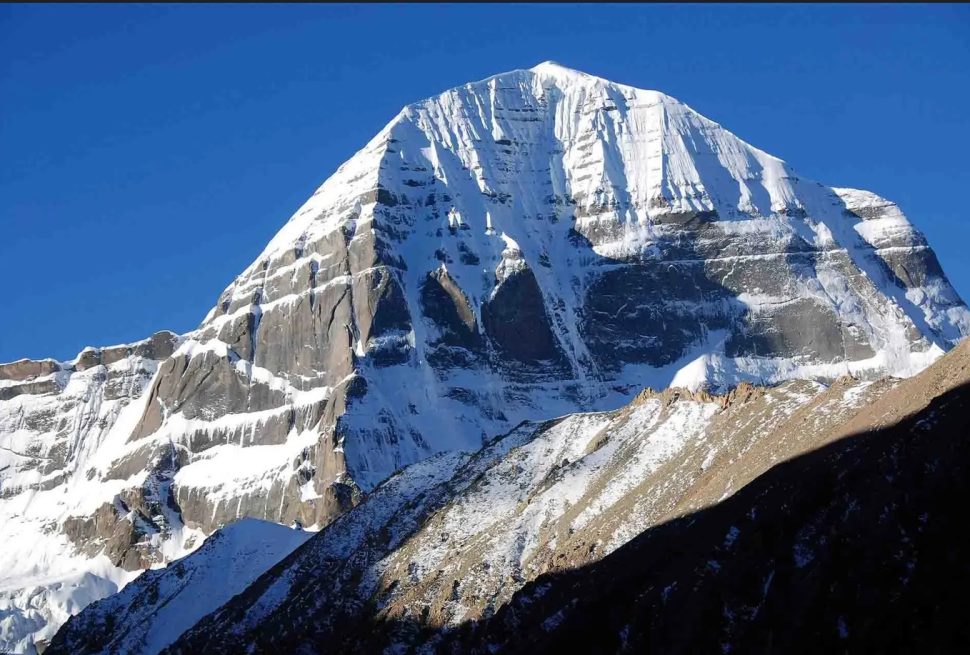
If your route goes beyond Lhasa and the central cities, Everest Base Camp on the Tibet side, Mount Kailash, or the more remote parts of Ngari, you’ll need additional permits on top of the basic Tibet Travel Permit. An Alien’s Travel Permit covers most of the areas outside Lhasa classified as restricted. Kailash and Ngari have their own layer of paperwork again, and for Indian pilgrims doing the Kailash Mansarovar Yatra, the process runs through a separate pilgrim reception arrangement rather than a standard tourist booking. 2026 is a Year of the Horse on the Tibetan calendar, considered especially significant for the Kailash circuit, so expect bigger crowds and book well ahead if that’s your route.
The Nepal-Tibet border crossing: check the current status before you book
This is the part that’s easy to miss if you’re reading an older guide, and it matters more than usual right now. The main overland crossing between Nepal and Tibet runs through Kyirong on the Tibetan side and Rasuwagadhi on the Nepali side, replacing the older Zhangmu/Dram crossing that was damaged in the 2015 earthquake (Dram itself reopened to tourists in 2023 and has run as a secondary option since).
The Rasuwagadhi crossing has a rough recent history. A flash flood washed out the bridge connecting the two sides in July 2025, shutting the crossing for about six months until China installed a temporary bridge in January 2026. Then, on August 26, 2026, a far more serious flood hit Nepal’s Rasuwa district, badly damaging roads, communications, and the border complex on both sides, with a heavy loss of life reported in the surrounding area. As of early September 2026, the crossing wasn’t usable for normal tourist travel, and there was no confirmed reopening date. Nepal has since been rebuilding the access road on an accelerated timeline, with officials targeting a reconnection before Dashain (mid to late October 2026), but that’s a target, not a guarantee.
If your itinerary includes the overland border crossing, get direct, current confirmation from your tour operator before you finalize dates, not a general assurance that it’s fine. Ask specifically which crossing point they’re using, whether your Tibet permit is still valid for that route, and whether transport and accommodation on both sides are actually running. Flying between Kathmandu and Lhasa sidesteps the issue entirely and, given the border’s recent track record, is worth strong consideration even if you’d normally prefer to go overland.
Flying versus overland: which way in, and how long it takes
Flying Kathmandu to Lhasa takes about an hour and is reliable when the flight is running, but it drops you at roughly 3,650 meters with no gradual acclimatization, which raises your risk of altitude sickness compared to a staged overland approach. It also gives you a short but genuinely spectacular Himalayan view from the window on a clear day.
Overland takes several days rather than an hour, since it means the border crossing itself plus onward road travel through towns like Shigatse before Lhasa. That’s slower, but it lets you gain altitude gradually, which is easier on your body, and you’ll see the Himalayan borderlands that most travelers only fly over. The tradeoff right now is real uncertainty about whether the crossing is even open on a given week, on top of the usual rough-road factor.
Which way makes sense for you comes down to how much time you have, how you handle altitude, and what the border situation looks like when you’re ready to book.
Best time to visit Tibet from Nepal
Spring and autumn are the standard recommendation, outside the coldest winter months and the heaviest monsoon rains. Tibet has historically closed to foreign travelers for a stretch in February and March most years, though the 2026 outlook from operators on the ground suggests that closure may not happen this year and the region is expected to stay open through winter and spring. Worth double-checking closer to your travel dates rather than assuming it as settled.
Monsoon season, roughly June through September, is the higher-risk window specifically for the overland route, given how many of the crossing’s recent closures have been flood-related. If you’re set on entering by land, spring and autumn are the safer bet on that front alone.
Altitude and health before you go
Lhasa sits at about 3,650 meters, and most itineraries push higher from there, especially anything toward Everest Base Camp or Kailash. Give yourself a rest day in Lhasa before continuing, drink more water than feels necessary, and go easy on alcohol for the first couple of days. Diamox (acetazolamide) is commonly used as a preventive measure, but talk to a doctor before your trip rather than figuring out dosing on the road.
Buy travel insurance that specifically covers high-altitude trekking and emergency evacuation, and check the altitude ceiling on the policy. A lot of standard travel insurance excludes evacuation above a certain elevation, which is exactly the situation you’d need it for on a Kailash or Everest Base Camp route.
How many days you’ll need, and what a Tibet tour from Nepal costs
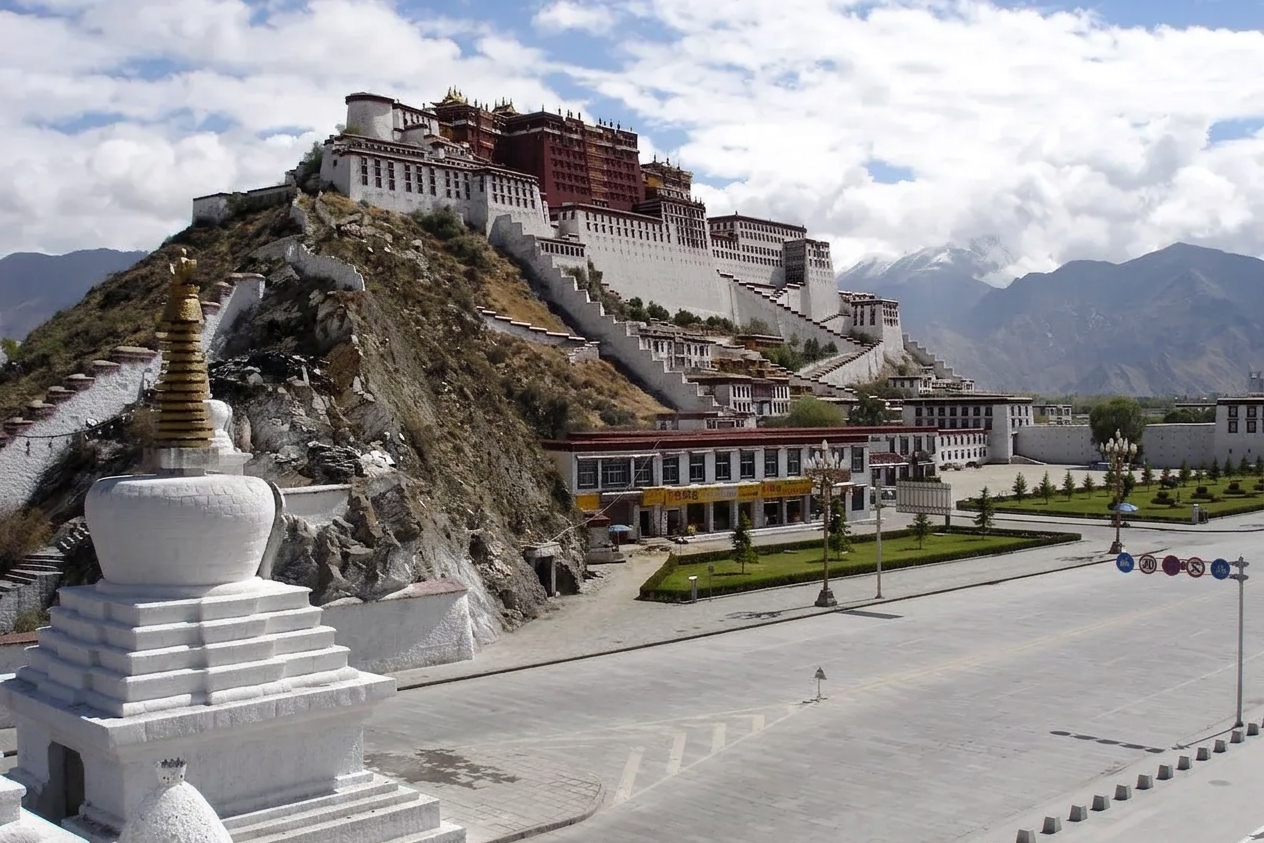
A Lhasa-focused trip, covering the Potala Palace, Jokhang Temple, and Barkhor Street with a rest day for altitude, generally runs five to seven days once you count travel in and out. Add Shigatse and Everest Base Camp on the Tibet side and you’re closer to eight to ten days. A full Kailash Mansarovar circuit runs longer again, typically two weeks or more once you factor in the remoteness of the route and the acclimatization it demands.
Pricing tracks with all of that. A standard week-long, Lhasa-focused tour booked through a Kathmandu-based operator commonly falls in the range of several hundred to around a thousand US dollars per person for group departures, climbing well beyond that for private tours, longer routes to Everest Base Camp or Kailash, or smaller groups where permit and guide costs are split fewer ways.
Most packages include the Tibet Travel Permit, visa assistance, a guide, ground transport within Tibet, and hotel accommodation. Flights or the overland transfer between Kathmandu and Lhasa, personal spending, tips, and travel insurance are usually separate. Ask for a clear, itemized breakdown before booking, since “all-inclusive” means different things to different operators.
What to pack and prepare, including money
Layers matter more than any single heavy item. Days can be warm in the sun and cold fast once it drops, so bring a proper down layer even in what looks like the warmer months on paper. Sun protection isn’t optional at this altitude; a strong sunscreen and good sunglasses will save you a rough couple of days.
Carry Chinese yuan. Card acceptance and ATM access get patchier once you’re outside Lhasa, and a lot of small purchases, transport, and food on the road are cash-only in practice. Change money in Kathmandu before you leave or once you’re in Lhasa; don’t count on being able to do it at the border itself.
Most foreign social media and search platforms are blocked inside China, Tibet included, so if you rely on those for communication or navigation, sort out a VPN before you cross the border rather than after.
Frequently asked questions
Do I need a Chinese visa to travel to Tibet from Nepal?
It depends on your nationality. Some travelers can enter China visa-free for short stays, while others need a Chinese visa. Check the current requirements for your passport before booking.
Do I need a Tibet Travel Permit to enter Tibet from Nepal?
Yes. Foreign travelers need a Tibet Travel Permit to enter the Tibet Autonomous Region. The permit is arranged through a licensed Tibet tour operator.
Can I get a Tibet Travel Permit on my own?
No. The Tibet Travel Permit is issued through a licensed Tibet tour operator. You will normally need to provide your passport details and travel dates for the application.
Is the Nepal-Tibet border currently open for tourists?
The status can change because of weather, road conditions, and ongoing repairs. The Rasuwagadhi-Kyirong crossing has recently faced flood damage, so check the current status with your tour operator before planning an overland trip.
Is it better to fly or travel overland from Nepal to Tibet?
Flying from Kathmandu to Lhasa is faster, while traveling overland allows you to gain altitude more gradually and enjoy the landscapes along the route. Your choice depends on your time, altitude response, and the current border situation.
How long does it take to travel from Nepal to Tibet?
A flight from Kathmandu to Lhasa takes around an hour. Overland travel takes considerably longer because it includes the border crossing, road travel, and stops along the route.
How many days do I need for a Tibet trip from Nepal?
It depends on your itinerary. A Lhasa-focused trip can take around a week, while trips covering Everest Base Camp, Mount Kailash, or other destinations require more time.