
-
3 Star Hotel
-
Bus, Airlines
-
Kathmandu
-
March, April, May, September, October & November
-
Breakfast, Lunch and Dinner
Overview
Discover the cultural beauty, rich history, and spiritual traditions of Tibet with our Explore Lhasa Tour – The Best of Tibet (5 Days). This journey takes you to Lhasa, the heart of the Tibetan Plateau, where ancient monasteries, sacred temples, traditional markets, and impressive Himalayan landscapes create a unique travel experience. The tour also allows time to rest and gradually acclimatize to the high altitude upon arrival.
During this five-day journey, explore the iconic Potala Palace, the beautiful Norbulingka Palace, and the important Buddhist centers of Ganden, Drepung, and Sera monasteries. Visit the sacred Jokhang Temple, walk through the lively Barkhor Bazaar, and discover the peaceful spiritual surroundings of Drayerpa Cave. Each destination offers insight into Tibetan Buddhism, traditional architecture, local culture, and everyday life.
With organized transportation, guided sightseeing, and comfortable accommodation, this tour is ideal for travelers who want to experience the highlights of Lhasa within a short period. From historic landmarks and religious sites to traditional streets and scenic landscapes, the Explore Lhasa Tour offers a memorable introduction to the cultural and spiritual heritage of Tibet.
Highlights
- Visit the iconic Potala Palace, a UNESCO World Heritage Site and former residence of the Dalai Lama
- Explore the sacred Jokhang Temple, the spiritual heart of Tibetan Buddhism
- Walk through the vibrant Barkhor Street, a traditional marketplace filled with local culture and pilgrims
- Discover the historic Drepung Monastery, once the largest monastery in the world
- Experience monk debates at Sera Monastery, offering insight into Tibetan Buddhist education
- Visit the beautiful Norbulingka Palace, the traditional summer residence of the Dalai Lama
- Explore the Tibet Museum to learn about Tibetan history, art, and culture
- Enjoy a scenic excursion to Ganden Monastery, a 15th-century monastery with panoramic mountain views
- Visit the peaceful Drayerpa Cave, an ancient meditation retreat for monks
- Experience the unique culture, traditions, and daily life of Lhasa on the Tibetan Plateau
Itinerary
Arrive at Lhasa Gonggar Airport or the railway station, where our representative will welcome you and transfer you to your hotel. After checking in, take time to relax and become familiar with your surroundings.
Lhasa sits high on the Tibetan Plateau, so the first day is reserved for rest and gradual altitude acclimatization. Drink plenty of water, avoid strenuous activity, and enjoy a quiet evening at your hotel
After breakfast, begin exploring Lhasa's important historical landmarks.
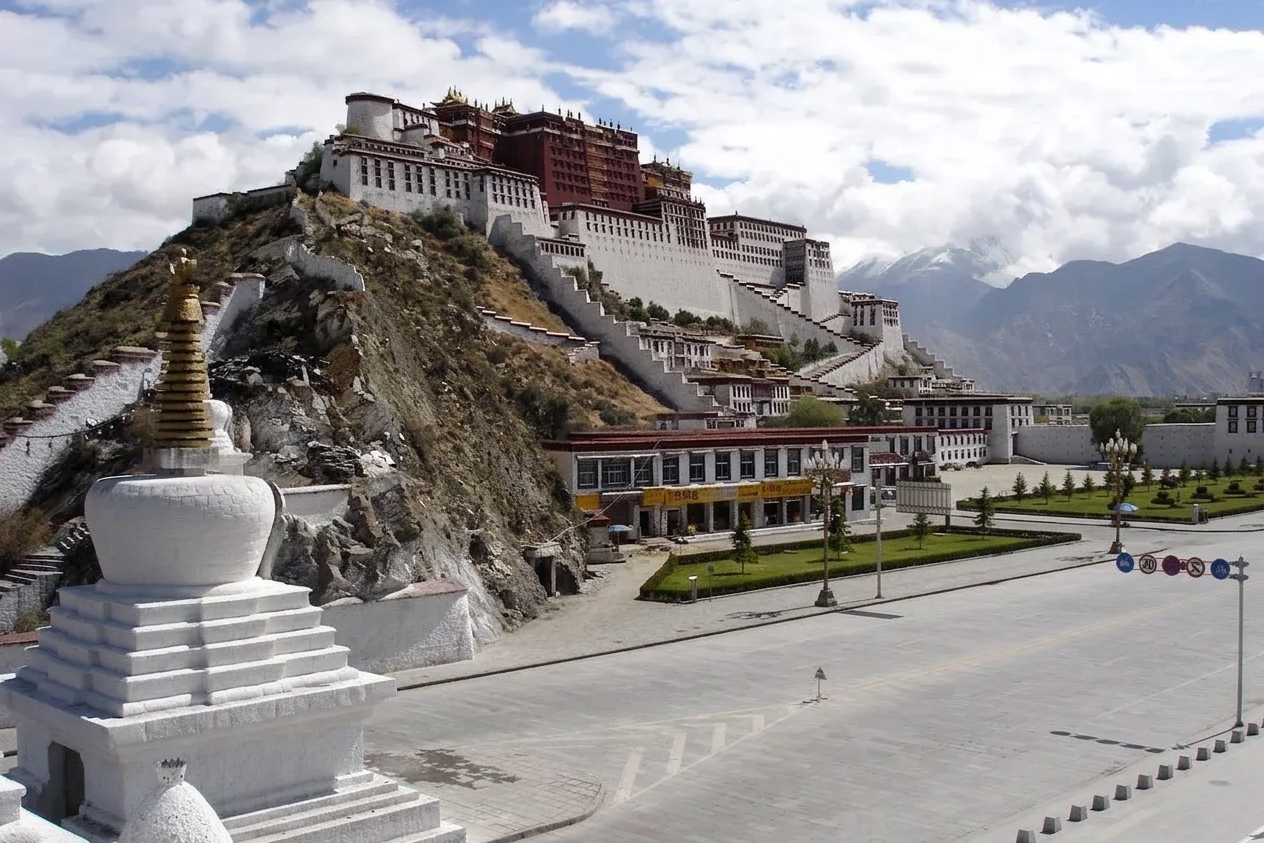
Visit the magnificent Potala Palace , the iconic hilltop palace known for its impressive architecture, chapels, murals, and historical significance. Enjoy panoramic views of Lhasa from the surrounding area.
Continue to Norbulingka Palace, the traditional summer residence of the Dalai Lamas. Explore its gardens, pavilions, and peaceful surroundings. Depending on opening hours and the schedule, you may also visit the Tibet Museum to learn more about Tibetan history, culture, and traditions.
Return to your hotel after the day's sightseeing.
After breakfast, drive outside Lhasa to visit Ganden Monastery , one of the major monasteries of the Gelug school of Tibetan Buddhism. Located on a mountainside, the monastery offers beautiful views of the surrounding valleys and hills.
Explore its prayer halls, traditional architecture, and religious surroundings while learning about the monastery's history and spiritual importance.
Later, continue to Drayerpa Cave, a peaceful retreat known for its meditation caves and dramatic hillside setting. Discover the area's spiritual heritage before returning to Lhasa in the evening.
After breakfast, continue discovering Lhasa's religious and cultural landmarks.
Begin at Drepung Monastery, historically one of Tibet's largest monastic institutions. Explore its courtyards, prayer halls, and traditional Buddhist architecture.
Next, visit Sera Monastery, famous for its monastic traditions and philosophical debates among monks. If the debates are taking place during your visit, you may have an opportunity to observe them.
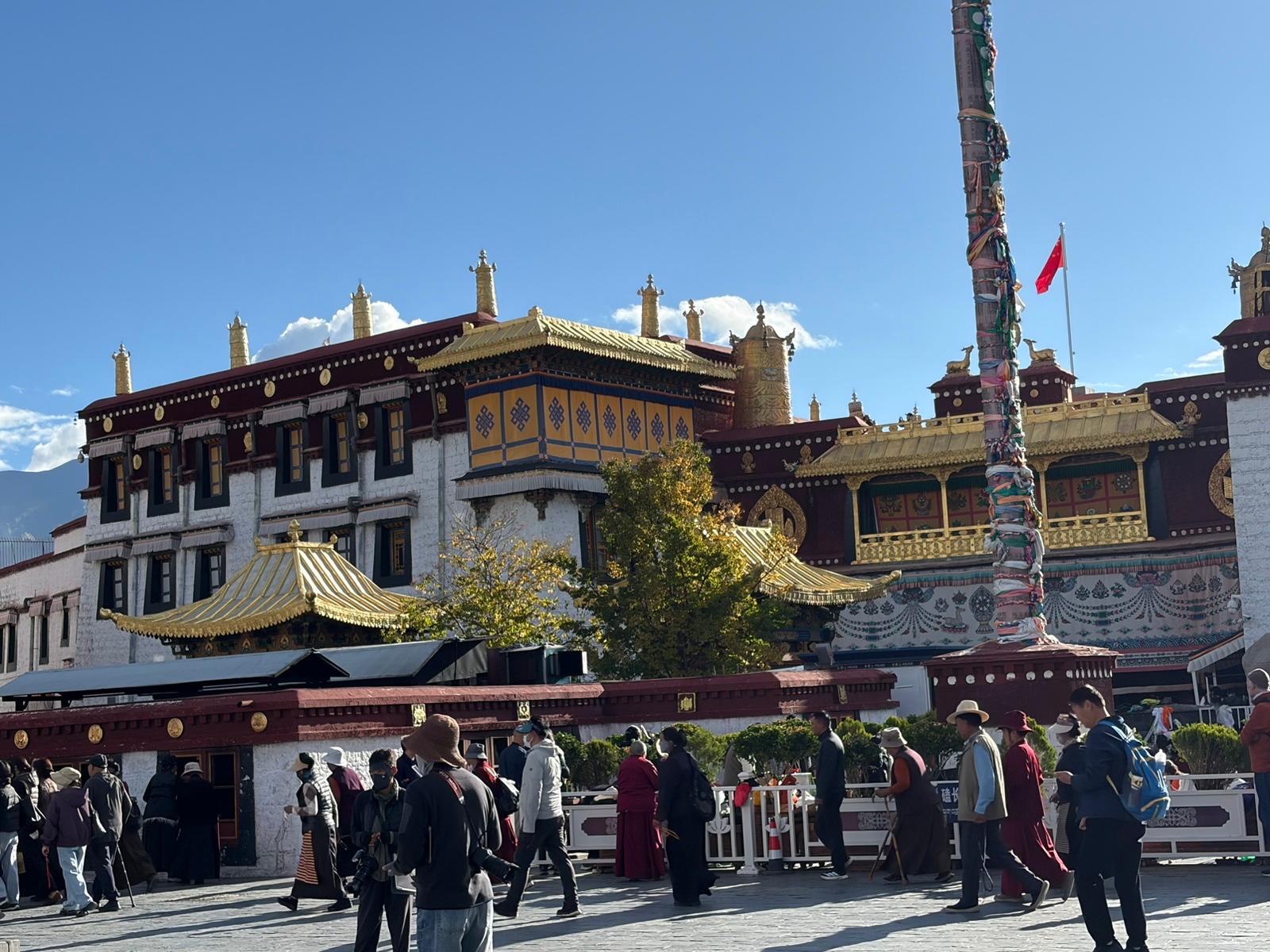
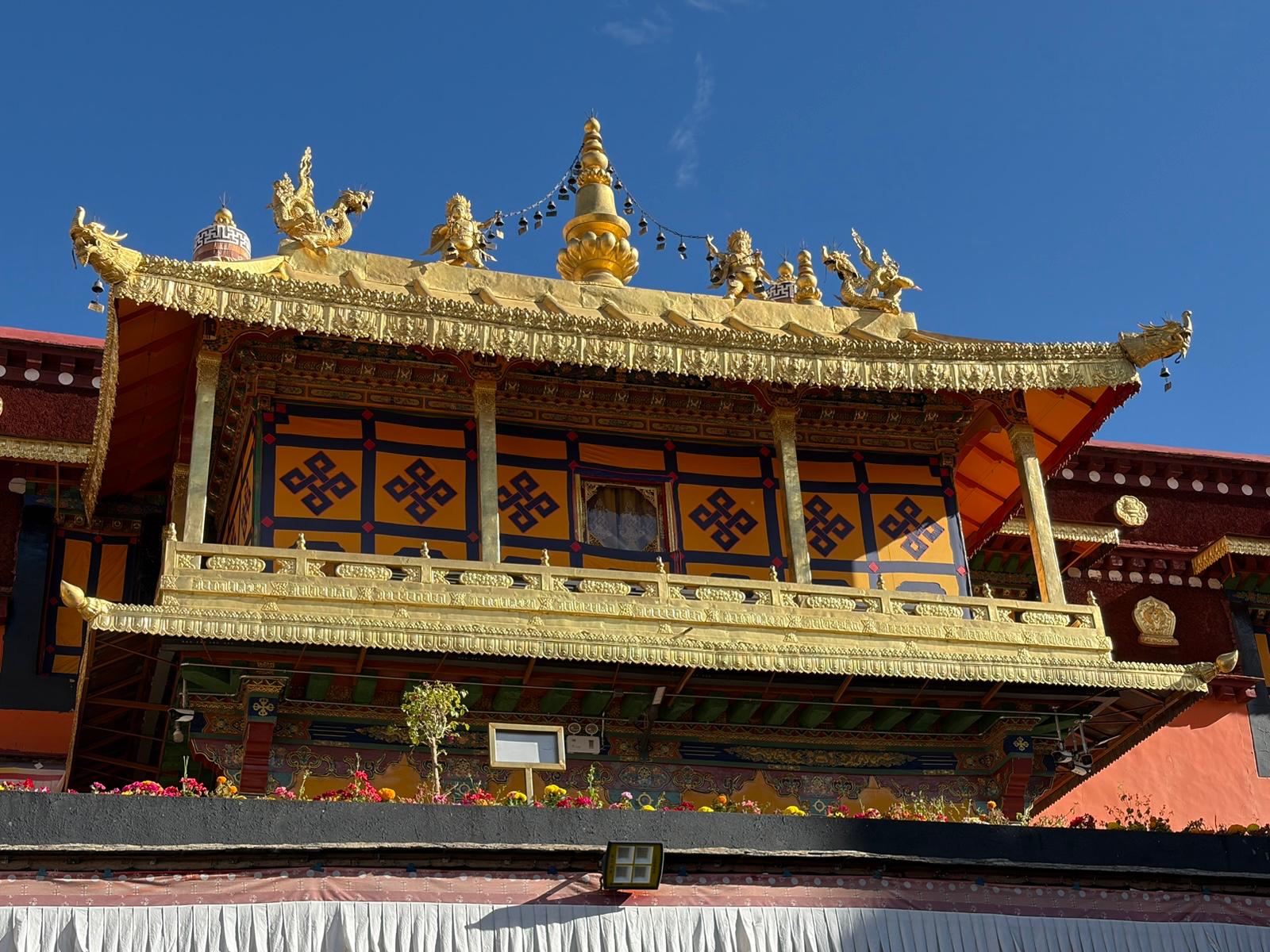
Continue to Jokhang Temple, one of Tibet's most revered Buddhist temples. Afterwards, walk through Barkhor Bazaar, where traditional shops, local handicrafts, Tibetan souvenirs, and daily market life create a lively atmosphere.
Return to your hotel for your final evening in Lhasa.
After breakfast, enjoy some free time depending on your departure schedule. Our representative will transfer you to Lhasa Gonggar Airport or the railway station for your onward journey.
Leave Tibet with memorable experiences of its historic palaces, Buddhist monasteries, traditional markets, and distinctive cultural heritage.
Includes/ Excludes
Includes
- All necessary Tibet Travel Permits required for foreign visitors
- Pick-up and drop-off services from the airport and hotels
- Private vehicles for all transportation during the tour
- Accommodation in Lhasa on a twin-sharing basis, including breakfast
- Services of an English-speaking, trained, and experienced Tibetan guide
- All entry fees and charges for sightseeing and visits to monasteries as outlined in the itinerary
- Applicable taxes and service charges
- Driver’s salary, meals, and accommodation
- Fuel, road taxes, and associated service charges
- Government taxes and service fees
Excludes
- Kathmandu to Lhasa and Lhasa to Kathmandu by Flight
- Accommodation in Kathmandu, other parts of Nepal, or mainland China
- Chinese visa fee required for travel to Tibet
- International flights to and from your country of origin
- Travel insurance for medical emergencies, evacuation, or trip cancellations
- Tips and gratuities for guides and drivers
- Nepal visa (for travelers entering through Kathmandu)
All About Your Trek
About Potala Palace
The Potala Palace is one of Tibet’s most recognizable landmarks and an important symbol of Tibetan Buddhism. Standing on Marpo Ri Hill in Lhasa, it has a history that reaches back to the 7th century, with major expansions carried out in the 17th century. It served as the winter residence of the Dalai Lamas until 1959.
Recognized as a UNESCO World Heritage Site, the palace is known for its striking architecture, numerous rooms, chapels, shrines, murals, scriptures, golden stupas, and Buddhist relics. Its White Palace historically served administrative functions, while the Red Palace was devoted mainly to religious activities.
Beyond its architectural importance, Potala Palace remains a place of deep spiritual and cultural significance. Its elevated position also offers broad views across Lhasa, making a visit an opportunity to learn about Tibet’s history, religious traditions, and heritage.
About Lhasa
Lhasa, the capital of Tibet, is often called the “Place of Gods.” Located at around 3,600 metres above sea level, it has long been a political, cultural, and spiritual centre of the Tibetan Plateau.
The city is home to important Buddhist sites, including Jokhang Temple, Barkhor Street, Sera Monastery, and Drepung Monastery. Pilgrims, monks, local residents, and visitors share the streets, creating a distinctive blend of spiritual practice and everyday life.
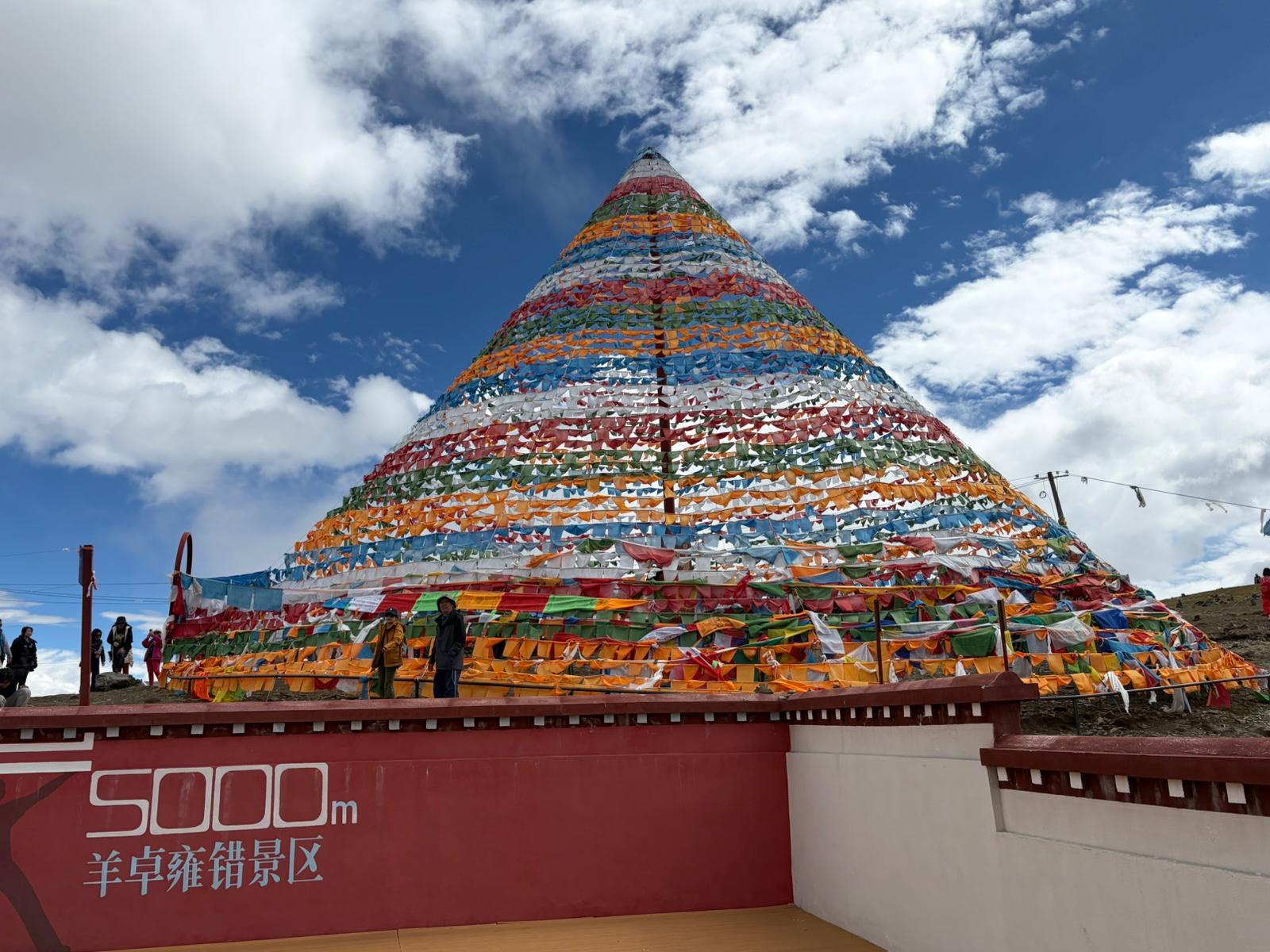
Although Lhasa has developed into a modern city, many traditional customs remain visible. Visitors may see prayer flags, prayer wheels, local markets, and religious ceremonies. Lhasa is also a starting point for exploring other parts of Tibet and offers a memorable introduction to the region’s culture and landscapes.
Best Time to Visit Lhasa
The period from April to October is generally popular for visiting Lhasa, with comparatively comfortable sightseeing conditions and opportunities to explore the city and nearby monasteries.
Spring (April–May): Temperatures gradually become milder, making it a pleasant season for visiting landmarks such as Potala Palace and Jokhang Temple.
Summer (June–August): This is a busy travel period, with warmer days and greener surrounding valleys. Rain showers can occur, often later in the day or at night.
Autumn (September–October): Autumn often brings clear skies and good visibility, making it a suitable time for cultural sightseeing and enjoying views of the surrounding landscape.
Winter (November–March): Winter is colder and generally quieter. Visitors can still explore major attractions, but should prepare for low temperatures, especially in the mornings and evenings.
Weather can vary, so pack layers and confirm seasonal conditions before departure.
Difficulty Level
The Explore Lhasa Tour is primarily a cultural and sightseeing experience, rather than a trekking trip. It is generally suitable for travellers who are comfortable with walking around cities, temples, monasteries, and historic sites.
Some visits involve stairs, uneven paths, or walking for extended periods. Potala Palace in particular includes steps, which can feel more demanding at high altitude. A relaxed pace and time to acclimatize can make sightseeing more comfortable.
Physical Fitness and Requirements
No technical skills or previous trekking experience are required for this tour. A basic level of fitness and mobility will help you enjoy daily sightseeing.
Travellers should be comfortable walking at a relaxed pace for a few hours, take breaks when needed, and avoid overexertion during the first days at altitude. Staying hydrated and allowing time to acclimatize are important.
Anyone with a heart, lung, or other medical condition that could be affected by high altitude should consult a healthcare professional before travelling.
Climate and Environment of Lhasa
Lhasa has a high-altitude climate with strong sunlight, dry air, and noticeable temperature changes between daytime and night. Because the city lies at around 3,600 metres, visitors may need time to adjust to the thinner air.
Summer days are often mild to warm, while winter nights can fall below freezing. Most rainfall typically occurs during the summer months, and bright sunshine is common throughout the year.
Sun protection, warm layers, and regular hydration are recommended. The surrounding region features broad valleys, mountain scenery, and traditional settlements, providing a striking setting for Lhasa’s cultural landmarks.
Restrictions and Permissions
Travel to Tibet is subject to entry requirements and local regulations, which can vary by nationality, travel route, and current policy. Foreign visitors generally need the appropriate Tibet travel documentation and must follow the approved travel arrangements.
Permits and visa requirements should be confirmed with Tibet Tours Nepal before booking. Some destinations outside Lhasa may require additional permissions, and passport or permit checks may take place at entry points and attractions.
Photography rules differ between sites, especially inside temples, chapels, and other religious spaces. Follow your guide’s advice and any posted instructions.
Flight from Kathmandu to Lhasa
Depending on the operating schedule, flights between Kathmandu and Lhasa can provide a convenient way to reach Tibet and may offer views of the Himalayan mountain range. Flight availability, duration, and airline schedules can change, so confirm current details before making plans.
Lhasa Gonggar Airport is located outside the city, and the transfer to your hotel takes additional time. Keep your passport, permits, and other required travel documents accessible for immigration and entry checks.
Arriving with enough time for permit arrangements and allowing time to acclimatize after reaching Lhasa can help make the beginning of your trip more comfortable.
Why Choose the Explore Lhasa Tour?
Explore the cultural and spiritual centre of Tibet by visiting major landmarks such as Potala Palace, Jokhang Temple, and Norbulingka Palace.
Learn about Tibetan Buddhist traditions at historic monasteries, including Sera, Drepung, and Ganden, and discover the spiritual setting of Drayerpa Cave.
Experience local life while walking around Barkhor Bazaar and its traditional shops, market stalls, and religious surroundings.
Make the most of a short visit with a five-day itinerary focused on Lhasa and nearby cultural attractions, without the demands of a long-distance trek.
With planning support from Tibet Tours Nepal, travellers can arrange key trip details such as transportation, accommodation, guiding, and applicable travel documentation.
Photography Allowance and Restrictions in Lhasa
Photography rules vary by attraction and may change. Outdoor photographs are often possible, but some prayer halls, chapels, museum areas, and religious artefacts may have restrictions.
At Potala Palace and other historic sites, follow posted rules regarding cameras and flash photography. Ask your guide or site staff before taking photographs indoors.
When photographing people in public areas, including monks and pilgrims, ask permission where appropriate and be respectful of religious activities. Drone use may be restricted and should not be attempted without the required authorization.
Accommodation
Accommodation is arranged in hotels in Lhasa according to the selected package. The hotel category, room type, location, and included amenities should be confirmed at the time of booking.
Hotel facilities commonly include a bed, private bathroom, hot water, and heating, although exact services vary by property. Staying in Lhasa throughout the tour also provides a base for acclimatization and daily sightseeing.
Meals
Meal arrangements depend on the package booked. Breakfast may be served at the hotel, while lunch and dinner may be arranged independently or at local restaurants, depending on the confirmed itinerary.
Tibetan food options can include thukpa (noodle soup), momo (dumplings), tsampa (roasted barley flour), and butter tea, alongside Chinese and international dishes. Let the tour operator know about dietary requirements in advance so suitable options can be discussed.
Drinking Water
Drink water regularly during your stay in Lhasa, particularly while adjusting to the altitude. Use bottled or otherwise confirmed safe drinking water, and carry a reusable bottle during sightseeing.
Confirm with the tour operator whether drinking water is included in your package, as arrangements may vary.
Guides
Guided sightseeing can help travellers understand the history, architecture, and religious significance of Lhasa’s main attractions. Your guide can also explain local customs, provide practical information, and help you navigate site-specific requirements.
Travel arrangements in Tibet are subject to local rules, including requirements that may apply to guides and organized itineraries. Confirm the guiding arrangements for your specific trip with Tibet Tours Nepal.
Travel Insurance
Travel insurance is strongly recommended for the Lhasa Tour. Choose a policy that suits your itinerary and includes relevant medical care, trip interruption or cancellation, baggage loss, and emergency assistance.
Because Lhasa is at high altitude, check carefully whether your policy covers altitude-related illness and emergency evacuation if required. Review policy exclusions and coverage limits before travelling.
Passport and Visa
Travellers should ensure that their passport is valid for the required period and that they have obtained all visas, permits, and supporting documents required for their nationality and travel route.
Requirements for entering China and travelling to Tibet can change. Confirm current visa and permit procedures with the relevant authorities and Tibet Tours Nepal well before departure. Provide documents only through the agreed secure process and allow sufficient time for processing.
Wi-Fi and Electricity
Many hotels in Lhasa offer Wi-Fi, though connection quality and speed may vary. Travellers should not rely on continuous internet access throughout the trip.
Electrical supply in the region is generally 220V. Plug types can vary by property, so a universal travel adapter is useful. A power bank can also be helpful during long sightseeing days.
Last-Minute Booking
Last-minute bookings may be possible depending on permit processing, flight availability, accommodation, and guide schedules. Because travel documentation can take time to arrange, early booking is recommended.
Contact Tibet Tours Nepal to check whether your preferred dates can be accommodated and to confirm the latest requirements before making non-refundable travel arrangements.
Online Briefing
Before departure, an online briefing can help you prepare for the trip. Topics may include the itinerary, packing suggestions, altitude acclimatization, travel documents, local customs, and photography etiquette.
Ask Tibet Tours Nepal whether an online briefing is included in your booking and arrange a convenient time with the team.
Private and Group Bookings
The Explore Lhasa Tour may be arranged as a private trip or, subject to availability, as a group tour.
Private tours can offer more flexibility for travel pace and sightseeing preferences. Group tours follow a shared schedule and provide an opportunity to travel with other visitors. Confirm group dates, minimum numbers, inclusions, and pricing with Tibet Tours Nepal.
Frequently Asked Questions
Geneeral
The best time to visit Lhasa is generally from April to October, when the weather is relatively pleasant and conditions are suitable for sightseeing.
Yes. Foreign travelers generally need a Tibet Travel Permit and must follow the applicable entry and travel arrangements. Requirements depend on nationality and the route of entry.
Lhasa is approximately 3,650 meters (11,975 feet) above sea level. Visitors should allow time to acclimatize and avoid strenuous activities immediately after arrival.
The itinerary includes Potala Palace, Norbulingka Palace, Ganden Monastery, Drayerpa Cave, Drepung Monastery, Sera Monastery, Jokhang Temple, and Barkhor Bazaar.
Yes. This is primarily a cultural and sightseeing tour rather than a trekking trip. However, travelers should be prepared for the high altitude and some walking around historical sites.
Accommodation is generally arranged in hotels in Lhasa. The hotel category, room type, and included facilities should be confirmed when booking.
Bring comfortable walking shoes, warm clothing, sunglasses, sunscreen, a hat, personal medication, and a reusable water bottle. Temperatures can change throughout the day.
Breakfast may be included, depending on the package arrangements. Lunch, dinner, snacks, and drinks should be confirmed in the tour's inclusion and exclusion list.
Photography is generally allowed in some outdoor areas, but restrictions may apply inside chapels and religious buildings. Always follow local rules and your guide's instructions.